
We provide customized Kenya safari holidays for individuals, couples, families, and groups. We also offer small group tours in Kenya and Tanzania. We can customize or tailor-make your safari to fit the number of days, parks, and beaches you prefer to visit, your budget, or any other special needs you may have. We are glad to help and will work with you to create the best safari possible to meet your expectations. We also extend our safaris to Tanzania, Uganda, Rwanda, and Zanzibar Beach. Please browse any of the safaris below and feel free to contact us for any of them or any tailor-made safaris you may prefer to do in Kenya, Tanzania, or any other East African Country. We are here to assist you in having a memorable safari holiday.
Featured Tours
Date
Sat, Apr 20, 2024
Departure
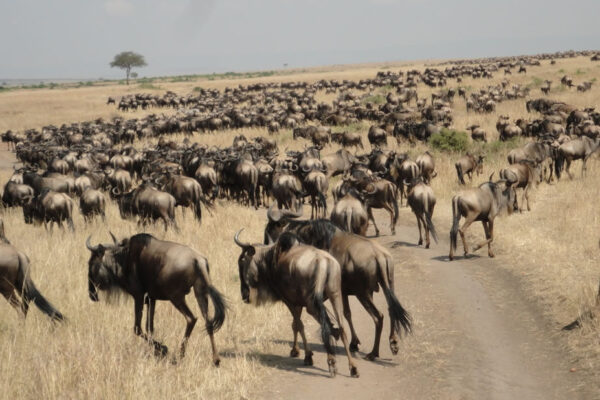
Masai Mara, Masai Mara National Reserve, Kenya
Kenya Classic Safari
8 DaysDate
Sat, Jan 1, 2022
Date
Sat, Jan 1, 2022
Departure
Amboseli, Tsavo West, Tsavo East National Parks
WELCOME KENYA SAFARI
6 DaysDate
Sat, Jan 1, 2022
Departure
Lake Nakuru, Lake Naivasha, Masai Mara
Date
Sat, Jan 1, 2022
Departure
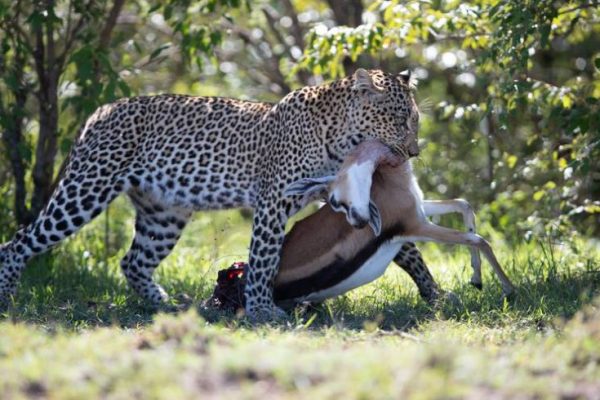
Maasai Mara, Kenya
Kenya Special Tour
10 DaysDate
Sat, Jan 1, 2022
Departure
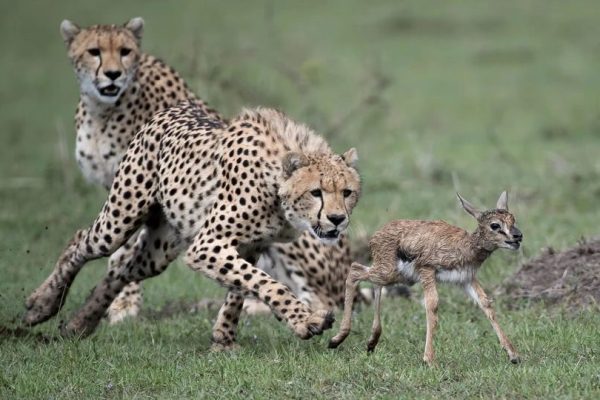
Amboseli, Aberdare, Samburu, Masai Mara

Date
Sat, Jan 1, 2022
Departure
Nairobi, Lake Nakuru, Lake Naivasha, Masai Mara
Date
Sat, Jan 1, 2022
Departure
Masai Mara, Lake Nakuru, Lake Naivasha
Date
Sat, Jan 1, 2022
Hotline Call Centre
Don’t hesitate give us a call. We are here to support you.
+254-798-310097
Whatsapp
Talk to us via Whatsapp. We are here to support you.
+254-778-170650
info@explorerkenya.com
Popular Destinations
View all dealsMaasai Mara National Reserve
35 Deal Offers
Mara is derived from a Maasai word which means spotted because of the various inselberg. Masai Mara National Reserve also spelt as Maasai Mara is Kenya’s finest and most outstanding Kenya’s finest wildlife reserve considered as a “must see” for any guest traveling on a safari to Kenya for the first time. Its gentle rolling […]
View More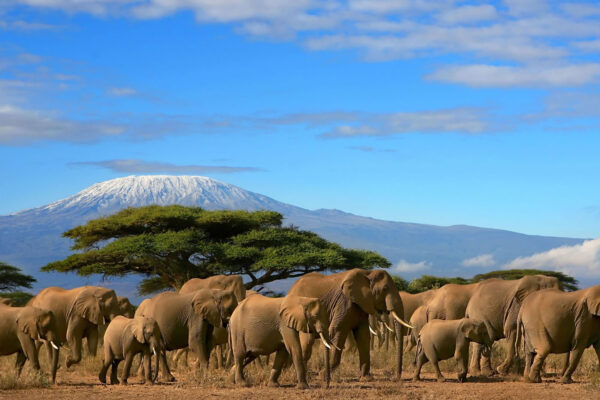
Amboseli National Park
14 Deal Offers
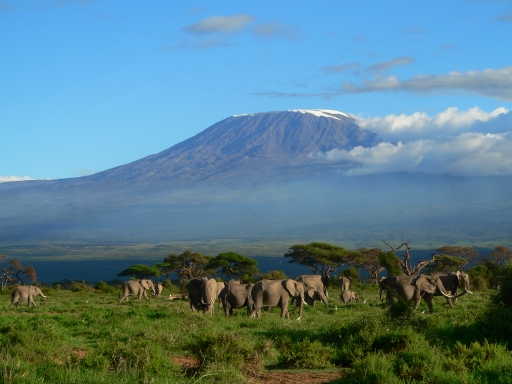
Amboseli National Park Amboseli National Park is among the top destination for a Kenya Safari, located in Kajiado County, lying in the immediate north-west of Mount Kilimanjaro bordering Tanzania. The park is 392 square kilometers is size at the center of an 8,000 square kilometer ecosystem that spreads on the Kenya-Tanzania border. The national park […]
View More
Lake Naivasha
10 Deal Offers
Lake Naivasha Lake Naivasha is a freshwater lake. It lies north-west of Nairobi at an elevation of 1890m. It is part of the Great Rift Valley; it lies at the highest point in the Kenyan rift and is set in remains of geological combination of volcanic rocks and sandy deposits. The lake is 13kms across, […]
View MoreLake Nakuru National Park
17 Deal Offers
Lake Nakuru National Park Lake Nakuru National Park is one of the premium parks in Kenya to be gazetted as a bird sanctuary in 1960 because of its massive flock of flamingoes and other birds. It is in Central Kenya, approximately 2 kilometers from Nakuru town and 164 km’s from Nairobi (2 hours’ drive). There […]
View More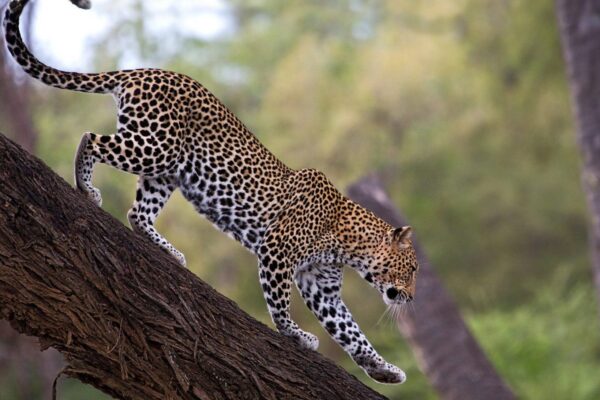
Samburu National Reserve Kenya
11 Deal Offers
Samburu Covering approximately 21,000 Km2 in northern Kenya, Samburu County is a real find for wilderness enthusiasts. Although the region is known for its hot and dry climate, it has plenty to offer in terms of attractions. The county lies north of the Ewaso Ng’iro (Nyiro) River and south of Lake Turkana. So, expect to […]
View MoreAberdares National Park
6 Deal Offers
The Aberdares and The Aberdare National Park Most wildlife reserves in Kenya are all about semi-arid plains, savannahs and sun-scorched hills. Not the Aberdare National Park, though. The reserve paints a stunning masterpiece of what the other side of the country looks like. It’s all lush green lands, awe-striking waterfalls and nice, cool weather. The […]
View MoreOl Pejeta
3 Deal Offers
Ol Pejeta Conservancy Located between the foothills of the misty Aberdares and the snow-capped Mt. Kenya, Ol Pejeta Conservancy is in Laikipia, on the equator, west of Nanyuki. The conservancy is famous for housing the world’s two surviving northern white rhinos. It’s also East Africa’s largest black rhino sanctuary. For decades, Ol Pejeta has been […]
View MoreKenya
59 Deal Offers
If any country in the world would boast of God’s creation all enclosed in its boundaries, i.e.) its wildlife, history, different cultures, various sceneries, magnificent hills and mountains, deserts, coral reefs, and welcoming people then Kenya would be that country. This beautiful country is located in Africa and within East Africa. It borders the Indian […]
View MoreEnjoy Golfing
KENYAEnjoy numerous golfing locations from our selected best golfing destination in East Africa!
$1,449.00 avg/person VIEW ALLKaribu Kenya Group Joining Safari
KENYATraveling alone? Come join like minded individuals on an adventure of a lifetime. The Karibu Kenya group tour takes you to Amboseli for great views of Mount Kilimanjaro, Lake Naivasha, the only fresh water lake on the Kenyan part of the Great Rift Valley where you get to walk among willdife on Crescent Island and crown off the safari in Masai Mara. The jewel of Kenya's parks and home to Africa's bug cats
$1,399.00 avg/person SEE PROMOTION TOURKenya Family Safari
KENYAThe Kenya family safari takes you on an epic tour of Kenya;s best parks. Visit the harsh and haunting northern Kenya to view unique wildife species and landscapes. Visit Olpejeta Ranch which is home to the last two remaining Northern White Rhinos. Drive via the Great Rift Valley to Lake Nakuru and end the safari in Masai Mara National Reserve
$2,789.00 avg/person SEE PROMOTION TOURThe Great Wildebeest Migration 2024
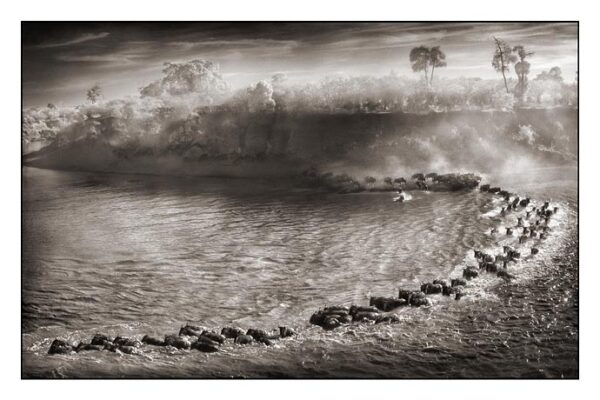
KENYAVisit Masai Mara to experience one of the last remaining great animal migrations. Millions of wildebeest, zebras and other ungulates embark on their great trek from the plains of Serengeti to Masai Mara where hungry, lions, leopards and sneaky Nile crocodiles await them.
$1,449.00 avg/person SEE PROMOTION TOURTRAVEL NEWS & TIPS
view all posts
October 2, 2023
October 2, 2023
October 2, 2023
October 2, 2023
October 2, 2023
October 2, 2023
