

One thing that determines your chances of summiting Kilimanjaro is how prepared you are before the climb. With an altitude of over 5000 m a.s.l., the mountain requires proper preparation to withstand altitude changes, fatigue, and weather variations. In this guide, we offer insight into ways you can prepare for the climb beforehand.
Choose a date to start the climb.
The first step is selecting a date that suits your schedule and the mountain conditions. Consider your annual leave or school holidays to ensure you have uninterrupted time for the trek. The weather is equally important. Kilimanjaro has two main dry seasons: mid-December to early March and June to October. During these months, the trails are less slippery, rainfall is minimal, and visibility is excellent, offering blue skies and breathtaking views. Planning your climb in these months reduces strain and increases your chances of a successful summit.
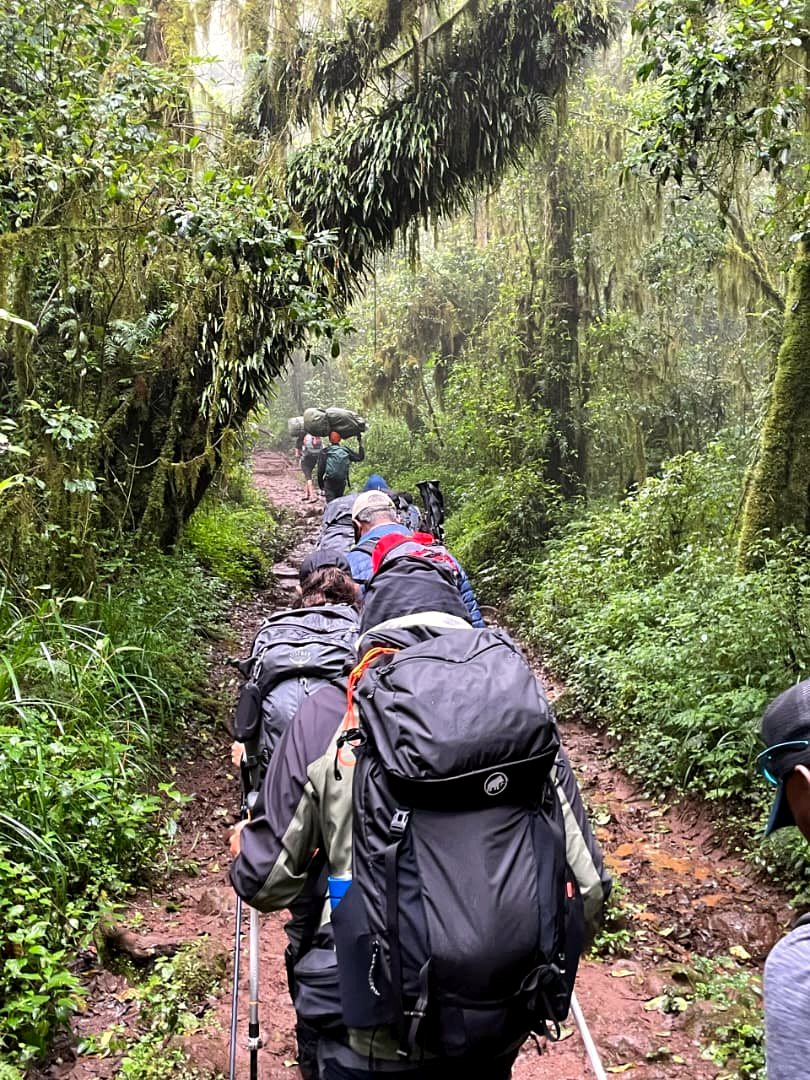
Choose an operator and the climbing package.
A reputable operator can make a huge difference in your Kilimanjaro experience. Start by researching climbing packages and comparing offerings, prices, and reviews. Shortlist your top five operators, and then send detailed inquiries seeking customization options.
Ask questions such as:
- What is the recommended duration and route for my fitness level?
- How do you support climbers during emergencies?
- What is the experience level of your guides?
- Have you successfully guided older climbers or those with health conditions?
Choosing a trusted operator and selecting the most suitable package ensures you have reliable logistics, safety measures, guidance, and a fulfilling experience throughout your climb.
Get the right holding hotel.
Besides booking your climb package, you will need a hotel to stay before or after the climb, preferably in Moshi town. Generally, you cannot start your climb on the same day as your international flight—long-haul travel, fatigue, and adjusting to local conditions require at least a day of rest. When choosing a holding hotel, consider comfort and amenities, and check past reviews to assess the facility’s safety and quality standards. Though usually not included in Kilimanjaro climbing packages, we recommend that you consider booking a hotel through your tour operator, as they may have better insight into the best hotel for you.
Build your physical fitness.
Now that you have booked the package, the next step is to prepare physically for the climb. A Kilimanjaro climb involves several days of trekking, often 5-8 hours per day, with a final summit push that can last 10–14 hours. Preparing your body is one of the most important steps. Focus on cardiovascular fitness through activities like walking, hiking, jogging, cycling, or swimming. Aim to build stamina so your body can sustain long hours of movement without exhaustion.
Strength training is equally important. Exercises targeting the legs, core, and back, such as squats, lunges, and step-ups, help you handle steep ascents and descents. Practicing hikes with a backpack will also prepare you for carrying a daypack during the trek.
Consistency is key. Training over several weeks or months will gradually improve your endurance and confidence.
Prepare mentally for the challenge.
Climbing Kilimanjaro is as much a mental challenge as it is a physical one. It is important to understand and accept the realities of the trek before setting out. You will need to forego some comforts, including sleeping in shared mountain huts or simple tents and using basic, communal facilities. On some days, showers will be limited, and you may need to rely on wet wipes for hygiene.
The climb is strenuous, involving long hours of trekking each day. Summit night is particularly demanding; you will wake around midnight to begin the final ascent, facing extreme cold and fatigue as you steadily climb toward Uhuru Peak.
Being mentally prepared means cultivating patience, resilience, and determination. Accept that discomfort is part of the experience, and focus on pacing yourself, staying positive, and trusting your guide. With the right mindset and willpower, even the most challenging moments can be managed, and you can reach the summit safely and successfully.
Acclimatize to high altitude.
Altitude is the biggest challenge on Kilimanjaro. It is the single most common cause of climbers failing to reach Uhuru Peak. Most of the fatalities in Kilimanjaro are also related to altitude complications. While most operators now offer a plan that supports acclimatization, familiarity with high altitude could be even better. If you live near a peak, you can practice by embarking on hikes, especially in mountains above 4000 m a.s.l. You can also embark on altitude training at your local gym. Here, some simulators create an artificial altitude environment that you will be gradually subjected to. You can also train by spending a night in an altitude tent. They can be placed around your bed, and then set the hypoxic generator to regulate the amount of oxygen. This helps you become familiar with the low oxygen levels you will encounter on a Mount Kilimanjaro climb. It is, however, important to know that altitude training is not mandatory. If you have not been lucky enough to have practiced at altitude, you still have a good chance of summiting Kilimanjaro as long as you have enough time to acclimatize during the climb and you follow guidelines to minimize altitude sickness.
Gear and Clothing Preparation
The next step is to ensure you have the right gear. This will ensure a comfortable climb and increase your chances of summiting. The first thing you should consider is having complete layered clothing. Temperatures vary drastically from the base to the summit. Layering allows for adjustments during the day and night. You should also have Waterproof jackets and pants, as the weather in Kilimanjaro is very unpredictable. You should also have hiking boots. Well-broken-in boots prevent blisters and support ankles on rocky terrain. You should also have sunglasses and sunscreen to protect from the strong UV light at the peak. Packing wisely helps you focus on the climb rather than discomfort, improving your overall experience. Importantly, most operators in Kilimanjaro offer gear rental services. You can inform your agent of the items you don’t have to confirm whether you can rent them.
Health Check and medication
Before the climb, consult a doctor for a medical examination, especially if you have pre-existing conditions. The doctor will give you recommendations on whether it is advisable to undertake the climb. If allowed, it is a good idea to request the doctor’s report and share it with your guide or operator. Disclosing your condition will help the operator prepare accordingly in case of an emergency.
Insurance and safety
Having travel insurance can be very helpful for your Mt. Kilimanjaro climb. The insurance should specifically cover the high-altitude risk up to 6000 m a.s.l. Confirm that it covers medical emergencies and trip cancellation in case of an early descent due to natural causes. This guarantees safety and ensures you and your group are fully protected, no matter what challenges arise during the climb.
Visa and entry requirement
Before traveling to Tanzania, confirm your visa and health requirements. Check if your nationality requires a visa. Many travelers can apply online in advance. Also, ensure your passport is valid for at least six months from the date of entry. Visitors from/ in transit for more than 12 hours in countries with a high risk of yellow fever are also required to get a mandatory vaccination. Confirm whether it is required in your country.
Budget for costs not included in the package
Before embarking on the Kilimanjaro climb, budget for the essential costs not included in the package. You can budget for your preferred tip amount for the crew. There is also the cost you may incur when buying items at local markets or exploring local communities or places before and after the climb. Don’t forget to budget for miscellaneous expenses that may arise during your trip.
Conclusion
Success on Kilimanjaro begins before you even set foot on the mountain. Careful planning—from choosing the right date, operator, and route to preparing physically, mentally, and logistically—lays the foundation for a safe and rewarding climb.
By focusing exclusively on pre-climb preparation, you maximize your chances of reaching Uhuru Peak while avoiding preventable challenges. Proper preparation is the key to turning a challenging adventure into a life-changing experience.
Ready to climb Kilimanjaro? Explore our 7 day Machame Route climb, 7 day Marangu Route climb and 10 day Lemosho Route climb, or contact us and we will help you choose the right route and dates.