

Kenya Safari Holidays
Few places on earth fit so much into so little space. In one trip you can go from the golden plains of the Masai Mara to the elephants of Amboseli under Kilimanjaro, the shores of Lake Nakuru and the wild north at Samburu. Every safari below is a private trip with your own vehicle and guide, and each one can be changed to suit you.
- Since 2006
- Private 4×4 Land Cruiser and guide
- Guides with 10–25 years’ experience
- Reply within 12 hours
Short safaris
Ideal for a first taste of Kenya, or a few days on safari before the beach.
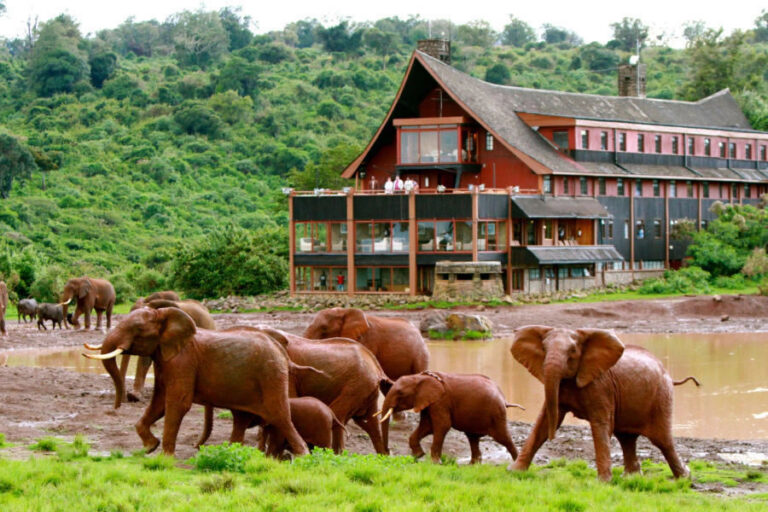
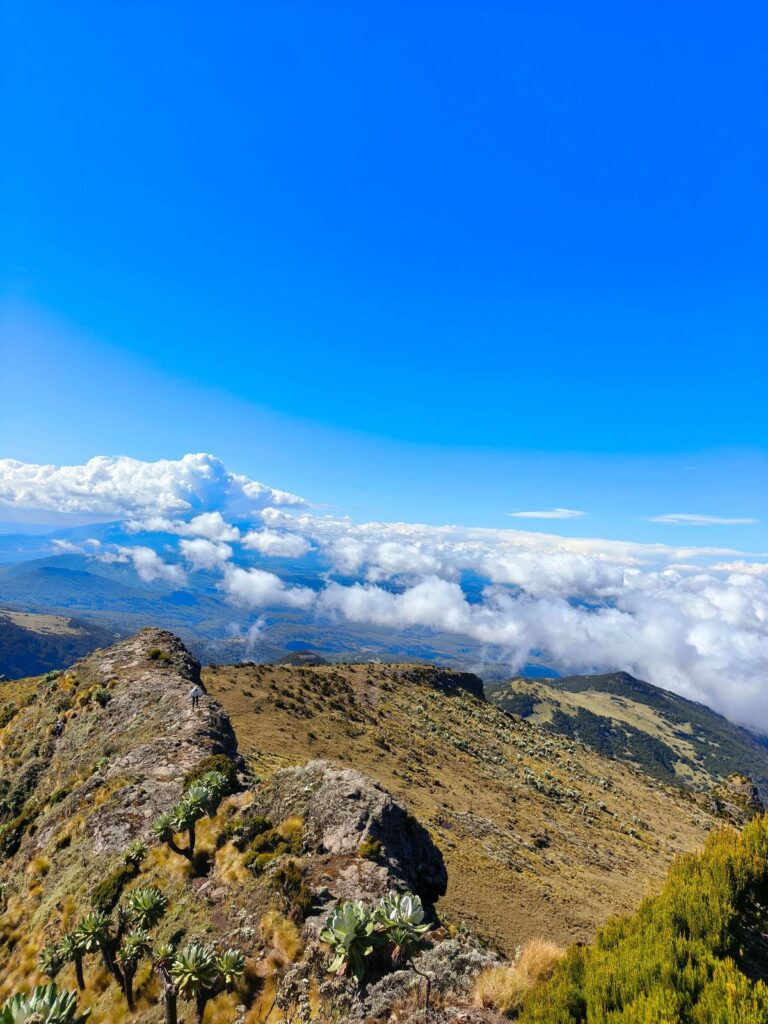
2 Day Aberdares Safari
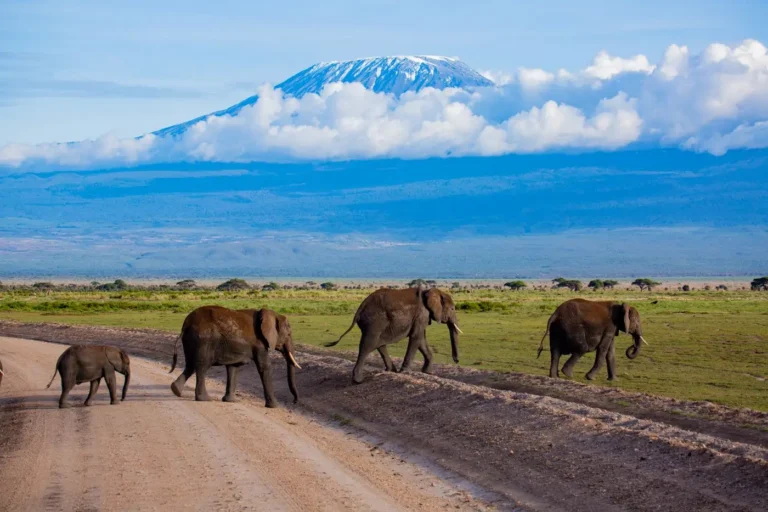
2 Day Amboseli Safari
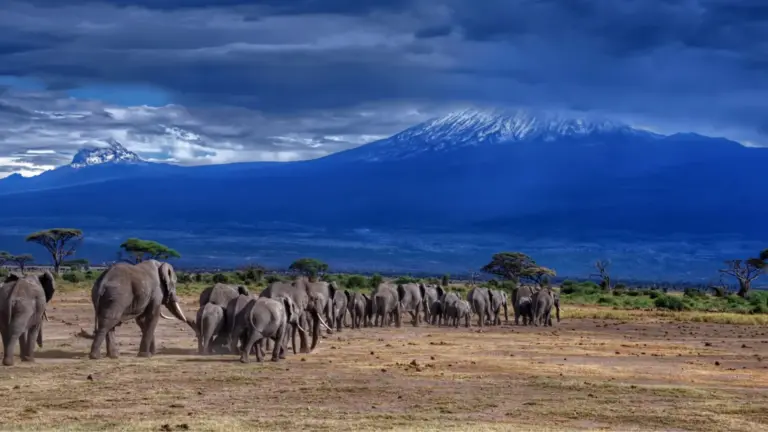
3 Day Amboseli Safari
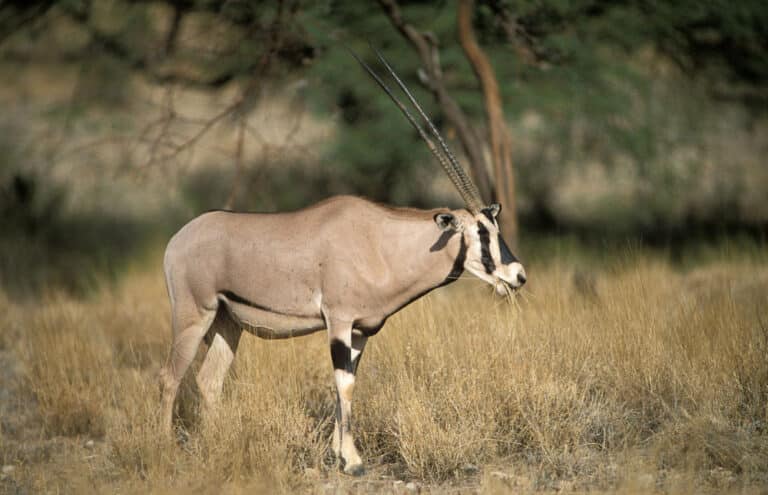
3 Day Samburu Safari
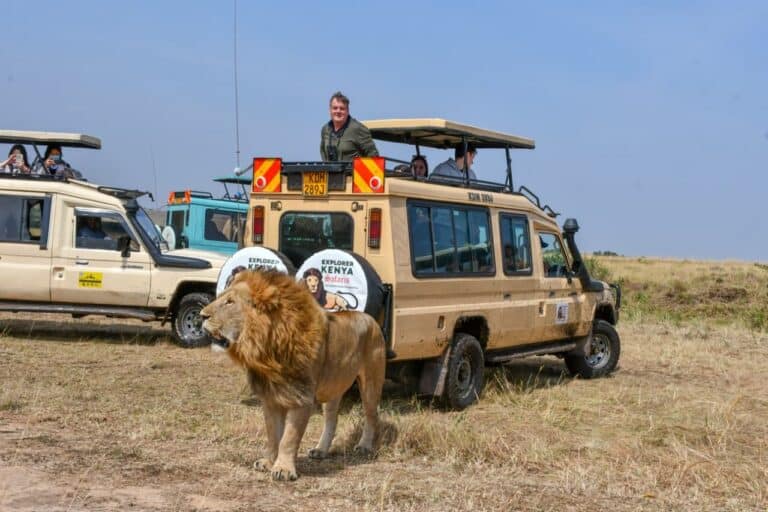
3 Day Masai Mara Safari at Mara Maisha Camp
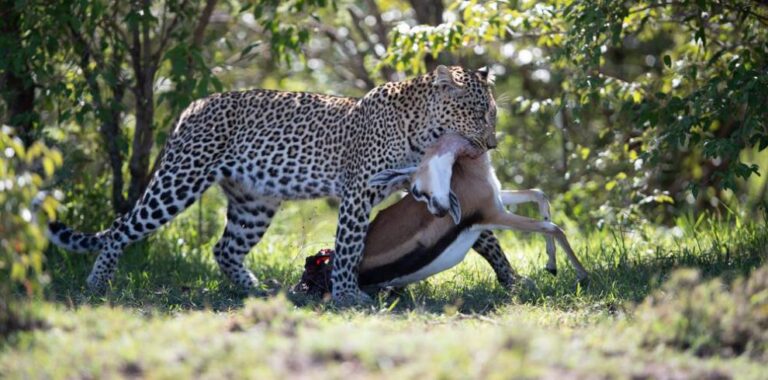
3 Day Masai Mara Luxury Tented Safari at Ashnil Mara Camp
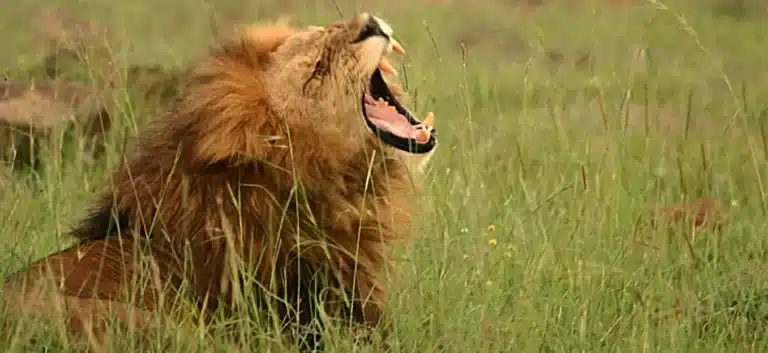
4 Day Masai Mara & Lake Nakuru Budget Safari
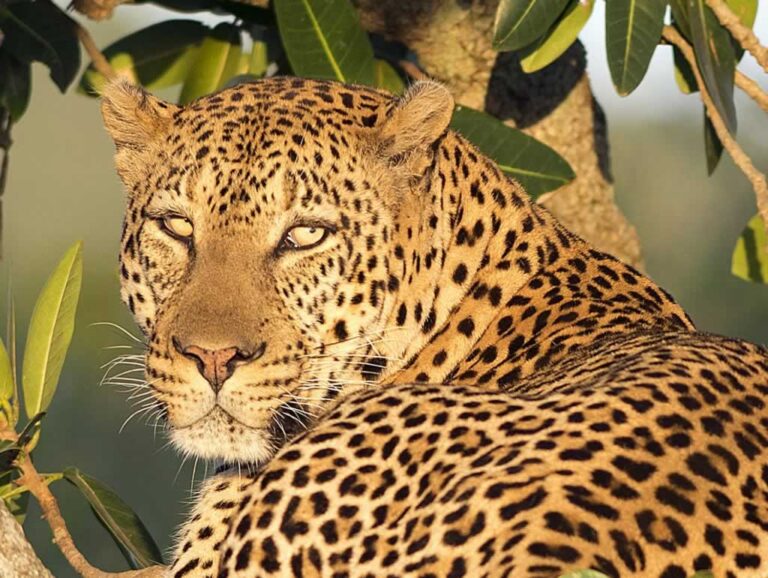
4 Day Masai Mara Budget Safari at Goshen Mara Camp
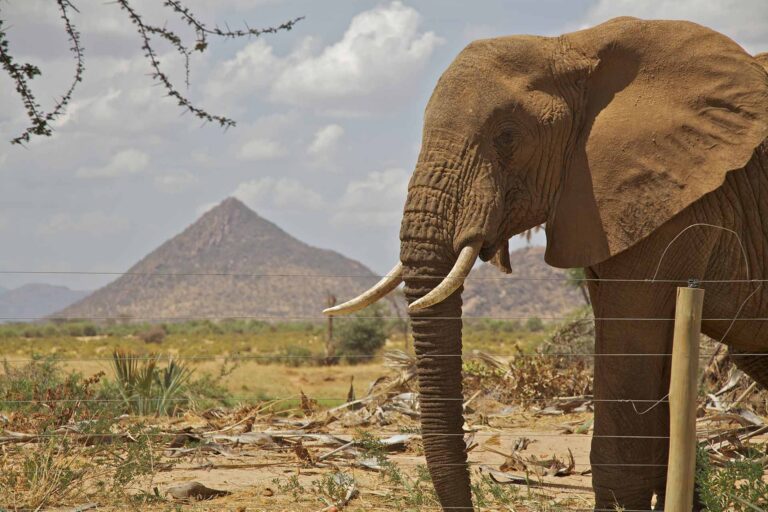
4 Day Amboseli, Tsavo West & Tsavo East Safari
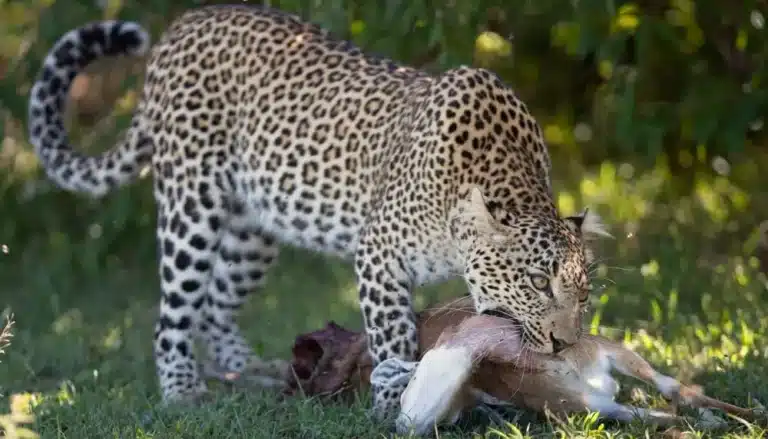
4 Day Masai Mara Safari at Ashnil Mara Camp
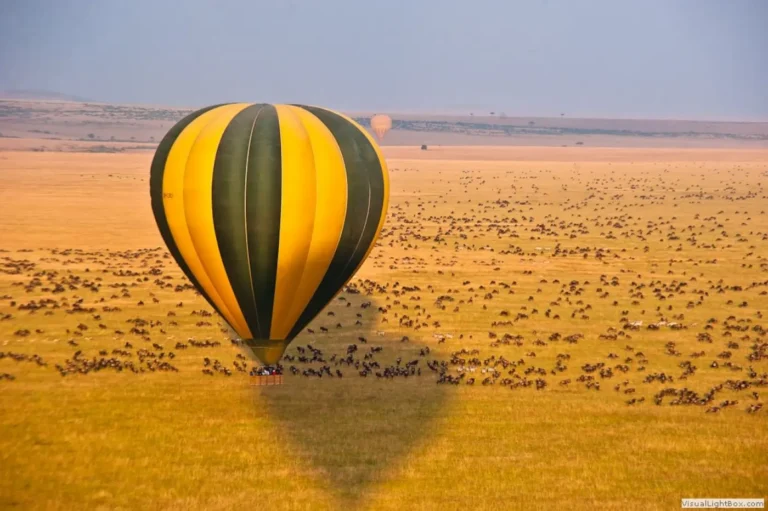
5 Day Masai Mara, Lake Nakuru & Naivasha Safari
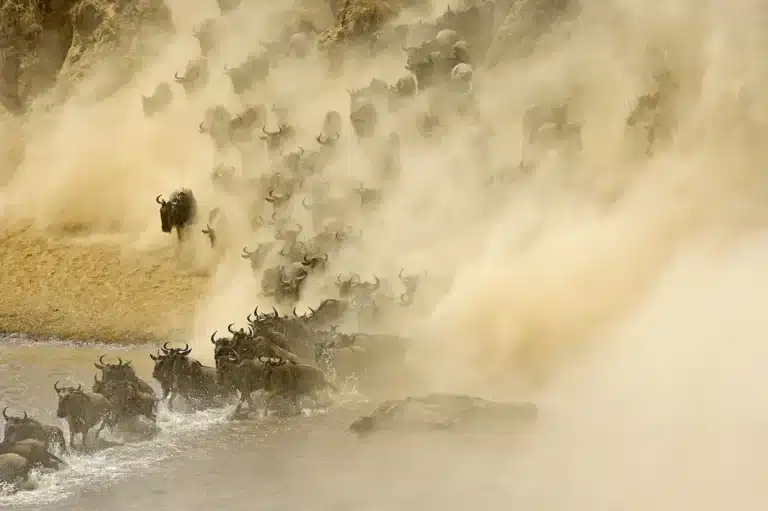
5 Day Wildebeest Migration Safari
Classic Kenya safaris
Our most popular length: two or three parks without feeling rushed.
6 Day Kenya Camping Safari
6 Day Samburu, Aberdares & Lake Nakuru Safari
6 Day Aberdares, Lake Nakuru & Masai Mara Safari
6 Day Lake Nakuru, Lake Naivasha & Masai Mara Safari
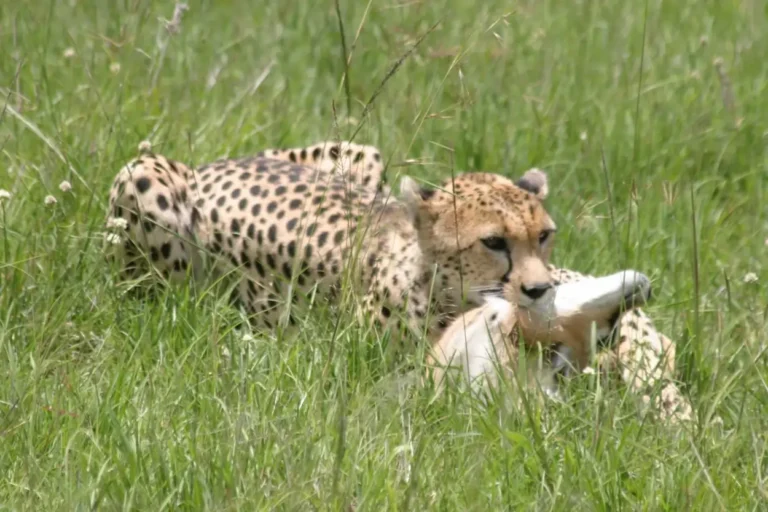
7 Day Samburu, Lake Nakuru & Masai Mara Safari
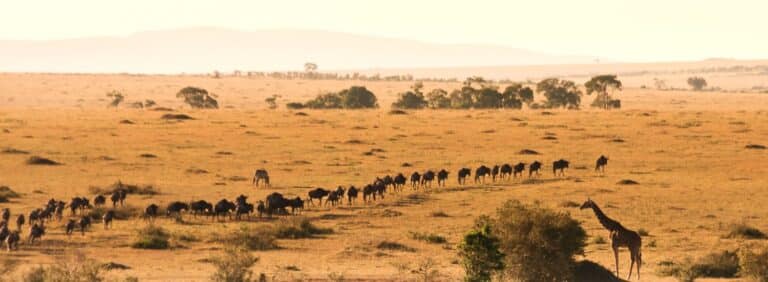
7 Day Welcome to Kenya Safari
7 Day Amboseli, Aberdares, Lake Nakuru & Masai Mara Safari
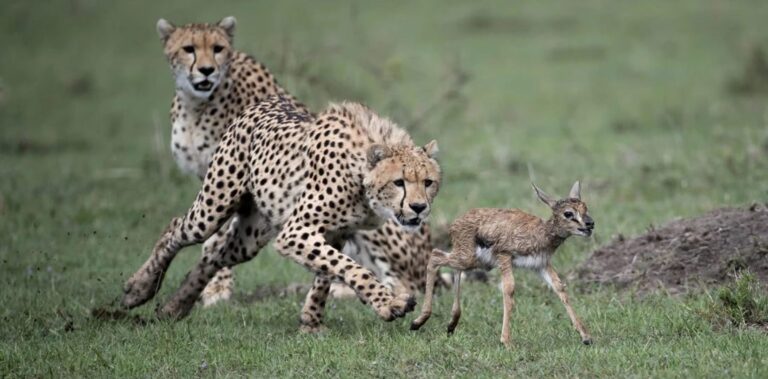
7 Day Masai Mara, Lake Nakuru & Amboseli Safari
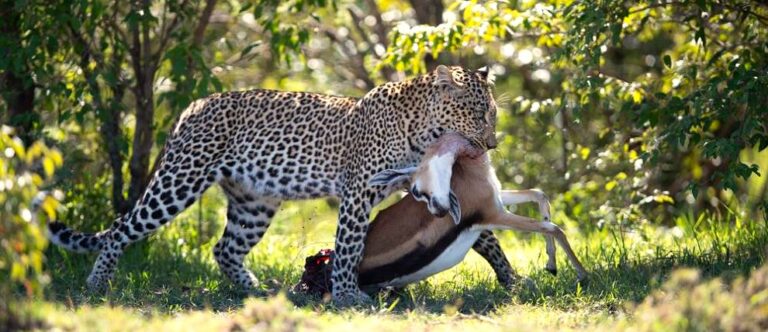
8 Day Kenya Classic Safari
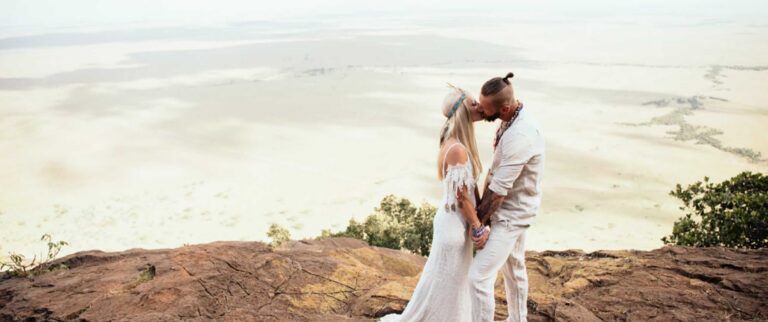
8 Day Honeymoon Safari in Kenya
Longer journeys
The full picture of Kenya, from the northern reserves to the Mara and Amboseli.

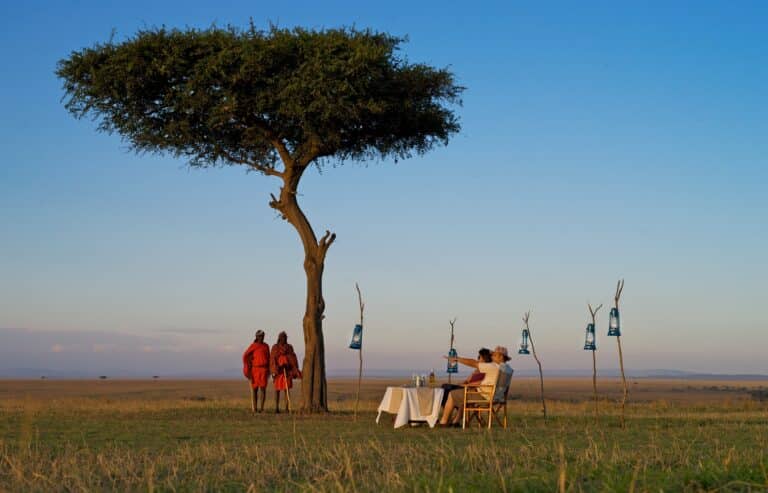
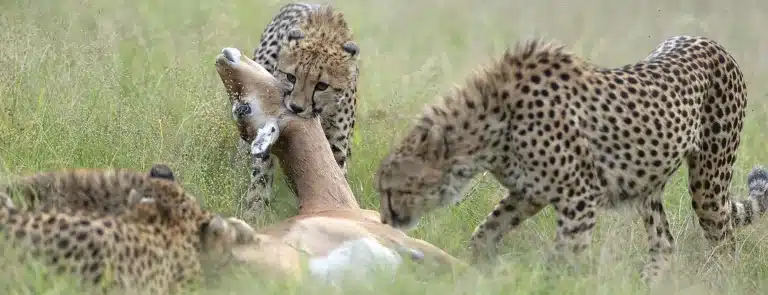
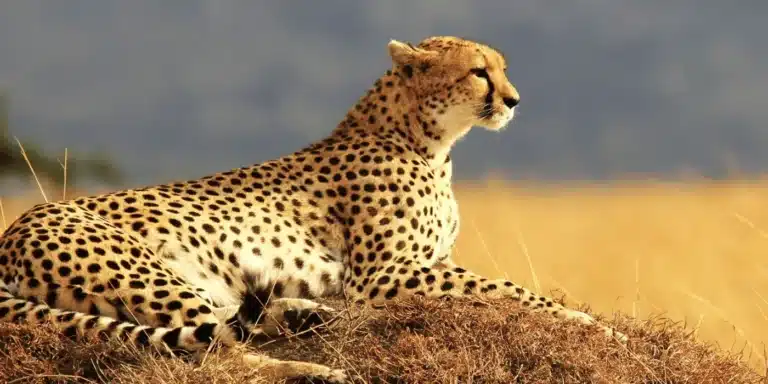
Fly-in safaris
Skip the long drive: fly from Nairobi straight into the parks.
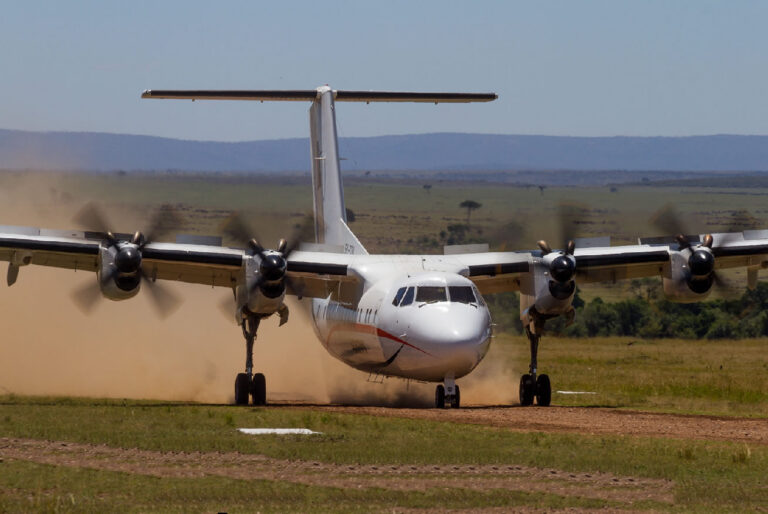
2 Day Masai Mara Fly-In Safari at Ashnil Mara Camp
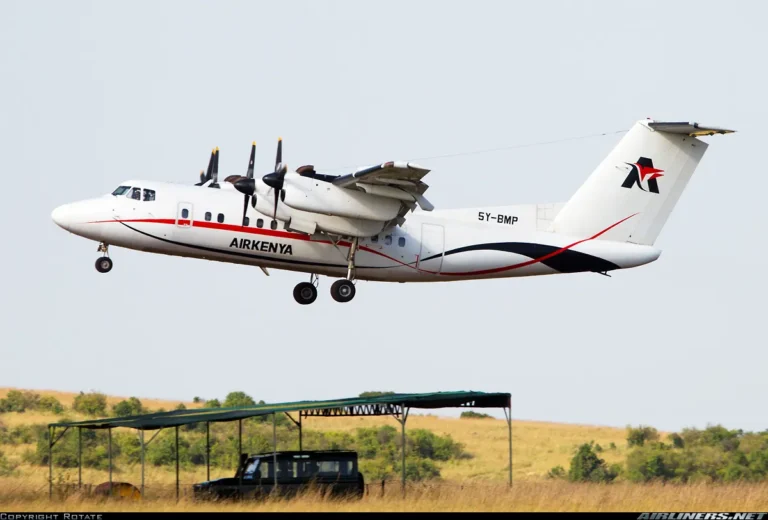
3 Day Fly-In Safari at Mara Maisha Camp
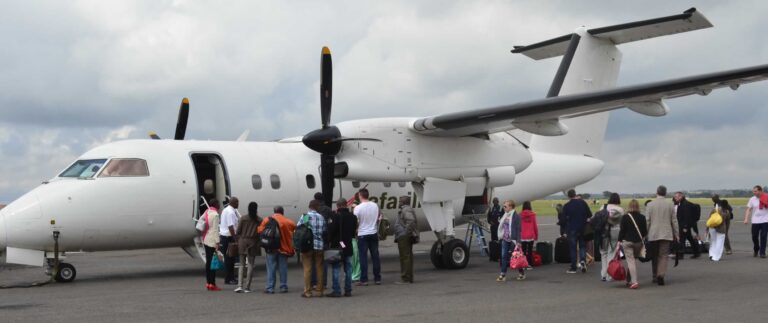
3 Day Amboseli Fly-In Safari at Amboseli Serena Lodge

4 Day Fly-In Safari at Ashnil Mara Camp
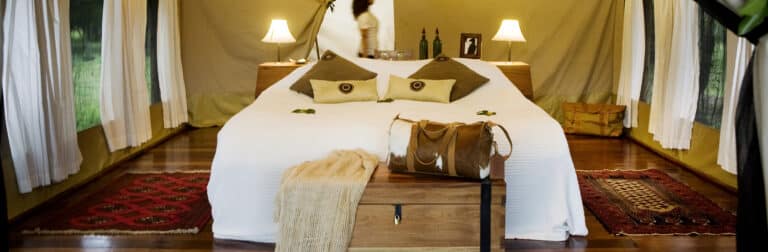
4 Day Fly-In Safari at Karen Blixen Camp

4 Day Fly-In Safari at Saruni Maasai Mara
4 Day Fly-In Safari at Soroi Mara Bush Camp
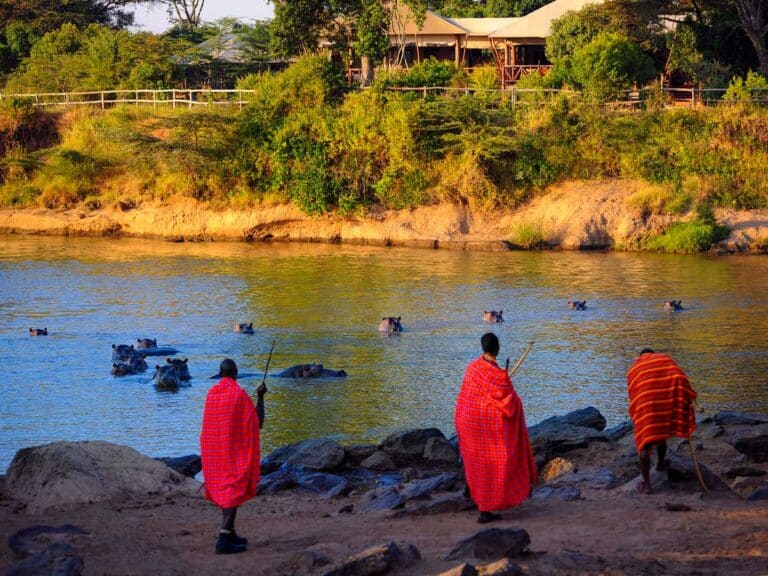
4 Day Fly-In Safari at Neptune Mara Rianta Luxury Camp
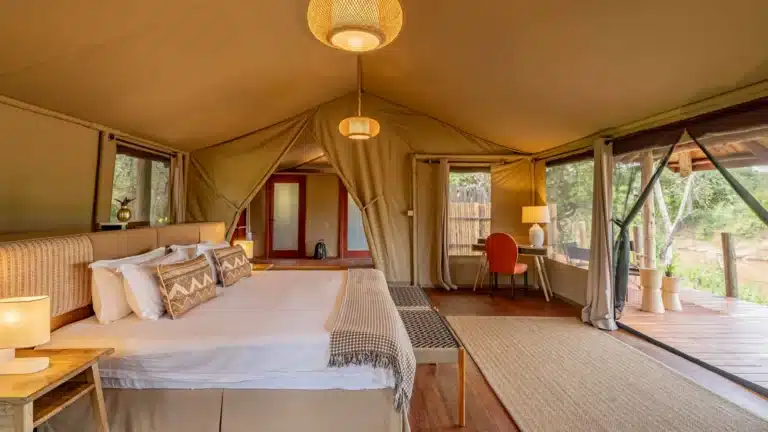
4 Day Fly-In Safari at Royal Mara Safari Lodge
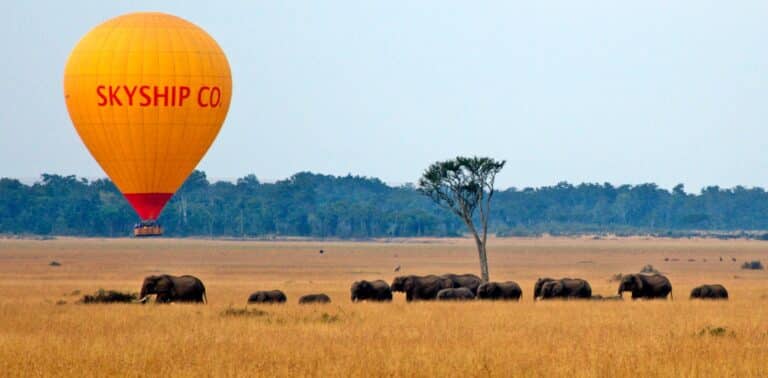
7 Day Lewa & Masai Mara Fly-In Safari
Special interest safaris
Golf and birding safaris across Kenya.

5 Day Kenya Golf Safari

8 Day Kenya Classic Golf Safari

9 Day Kenya Golf Safari

10 Day Golf Safari in Kenya

11 Day Kenya Golf Safari
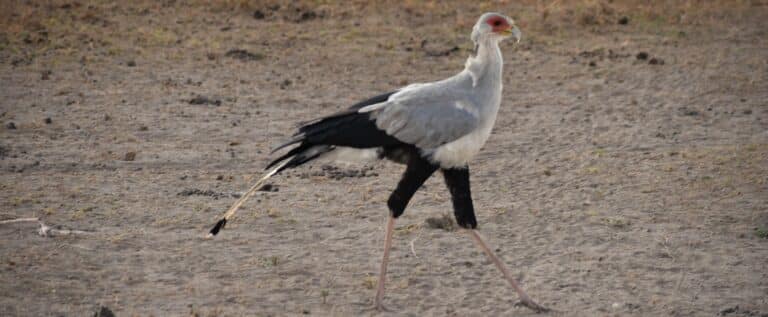
9 Day Kenya Birding Safari
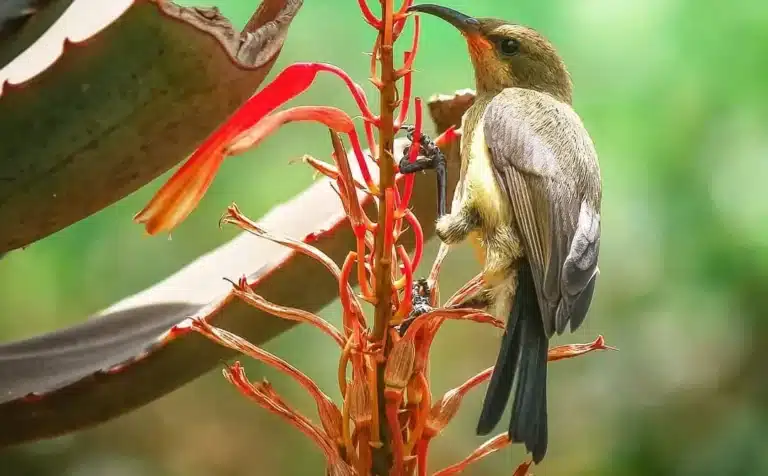
9 Day Bird Watching Safari in Kenya
Day trips and add-ons
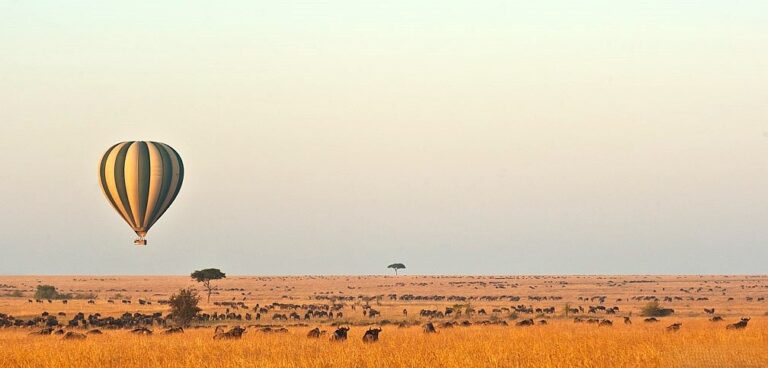
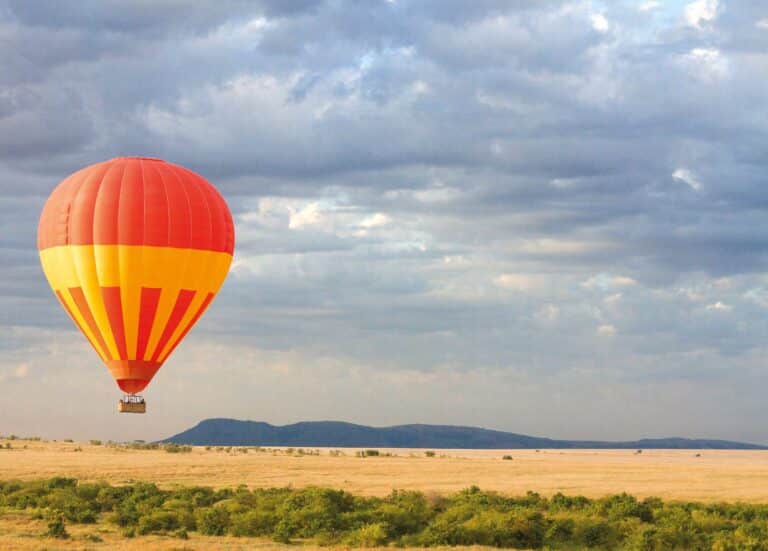
Short on time? See Kenya’s wildlife in a day, or add a balloon flight to your Mara safari.
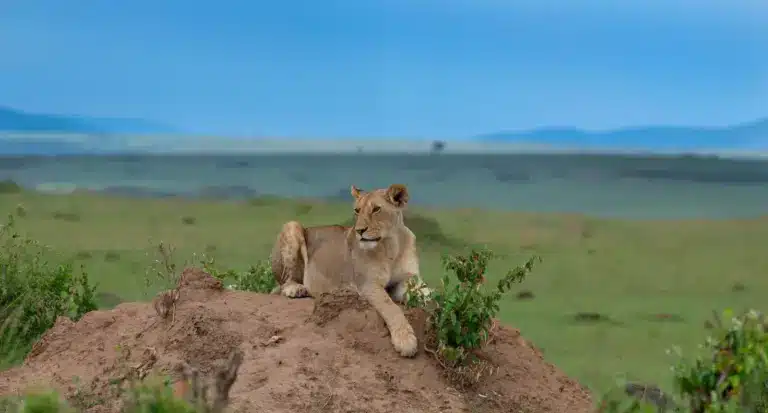
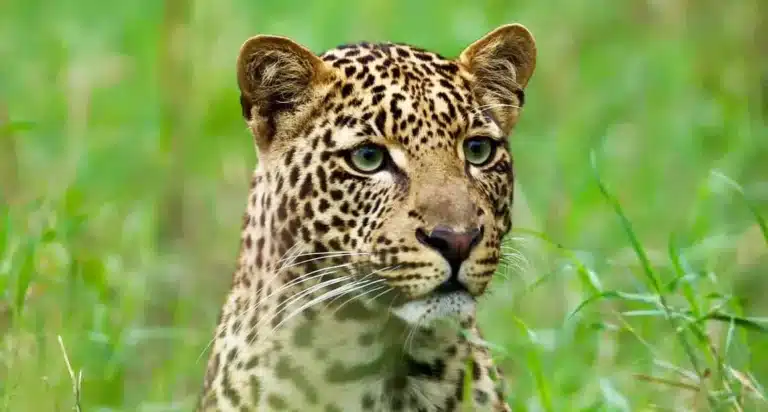
Safaris from Mombasa and Diani
On holiday at the coast? Our safaris start from your Mombasa or Diani hotel.
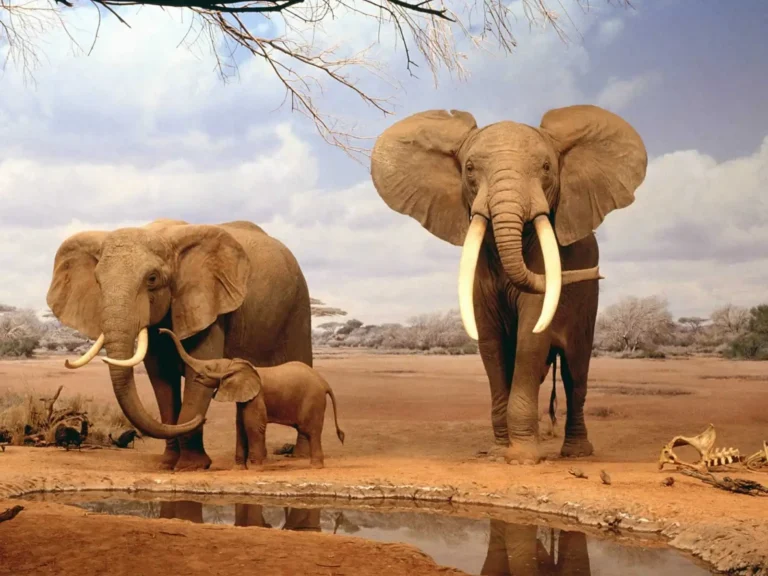
Tsavo East Day Trip from Mombasa or Diani
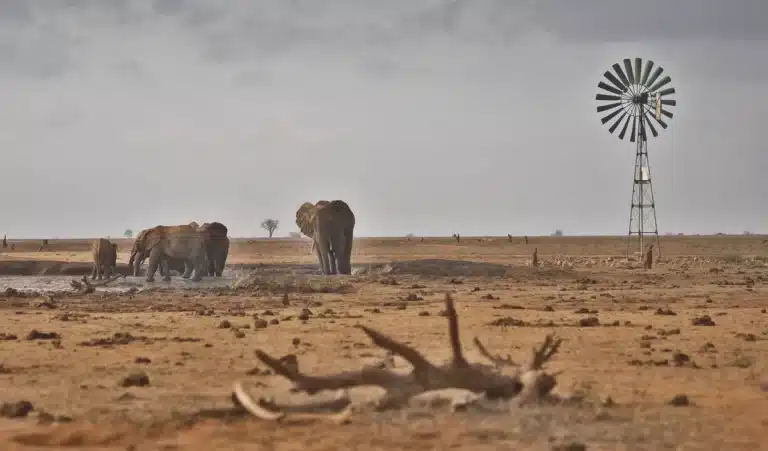
2 Day Tsavo East Safari from Mombasa
2 Day Tsavo East & Taita Hills Safari
2 Day LUMO Conservancy Safari from Mombasa
3 Day Tsavo East Safari from Mombasa
3 Day Tsavo East & Taita Hills Safari
3 Day Tsavo East & Tsavo West Safari
3 Day LUMO Conservancy & Tsavo East Safari
5 Day Tsavo West, Amboseli & Tsavo East Safari
Not sure which safari suits you?
Tell us your dates, budget and what you would like to see, and we will put together a safari plan for you. We reply within 12 hours.
Your complete guide to a Kenya safari
Everything you need to plan your trip: where to go, when to go, what it costs and how many days you need. Tap a topic to open it.
Why choose a Kenya safari?
Kenya is where the modern safari was born, and it is still one of the most accessible and rewarding wildlife destinations in the world:
- Unmatched wildlife. Kenya is home to the Big Five (lion, leopard, elephant, buffalo and rhino) across a network of national parks and reserves, many within easy driving distance of Nairobi.
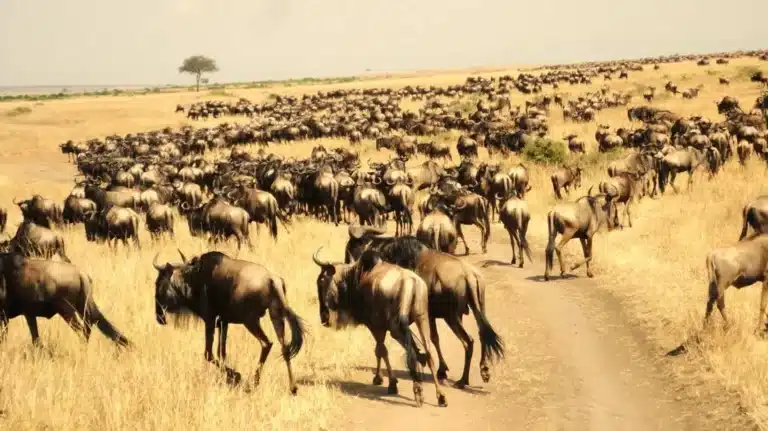
- The Great Migration. The Masai Mara hosts one of the most dramatic wildlife spectacles on the planet, as wildebeest and zebra cross the Mara River in search of fresh grazing.
- Many different landscapes. From the Rift Valley lakes and the semi-arid northern reserves to the coastal beaches, a Kenya safari rarely feels repetitive.
- Well-developed safari infrastructure. Decades of tourism mean good roads, lodges and camps for every budget, and driver-guides with deep local knowledge.
- Easy to combine. Kenya pairs naturally with a Tanzania safari or a few days on the coast at Diani or Mombasa.
When is the best time to go?
Kenya is a year-round safari destination, but the time of year shapes the experience.
July to October (peak dry season)
The Great Migration usually reaches the Masai Mara in these months, and the dry conditions bring wildlife to the rivers and waterholes, making sightings easier. This is the busiest time of year, so book well ahead.
January to February (short dry season)
Warm, dry and less crowded than July to October. A strong choice for game viewing, especially in the southern parks like Amboseli, with clear views of Kilimanjaro.
March to May (long rains)
The quietest season, with green landscapes, newborn animals and lower rates. The rains can make some roads difficult, and a few camps close.
November (short rains)
Short afternoon showers, dramatic skies and fewer visitors, with the wildlife still easy to see.
Which parks should I visit?
Masai Mara National Reserve
Kenya’s most famous reserve and the stage for the Great Migration river crossings, with excellent lion, leopard and cheetah sightings all year.
Amboseli National Park
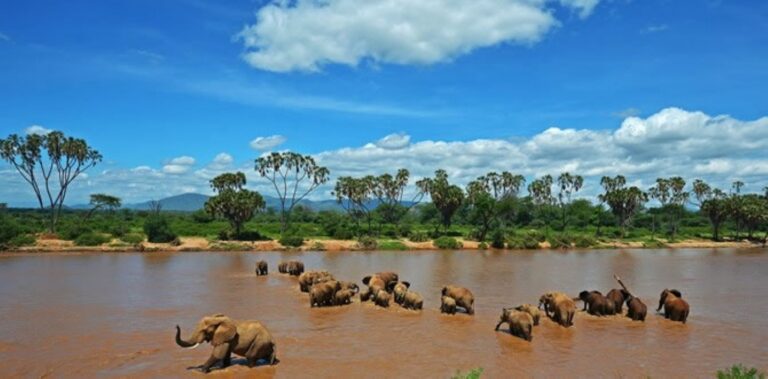
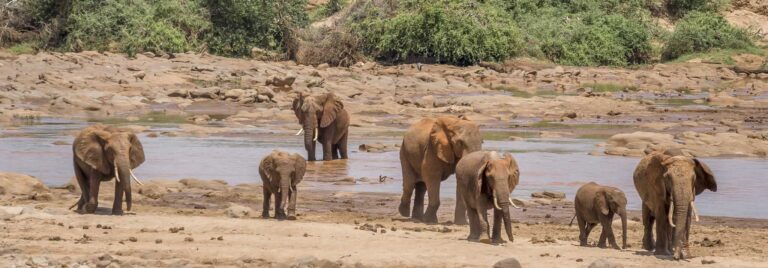
Best known for its big elephant herds in front of Mount Kilimanjaro, one of Africa’s most famous safari views. Our 3 day Amboseli safari from Nairobi is the easiest way to see it.
Lake Nakuru National Park
A compact park known for flamingos on the lake shore, black and white rhinos, and good leopard sightings.
Samburu National Reserve
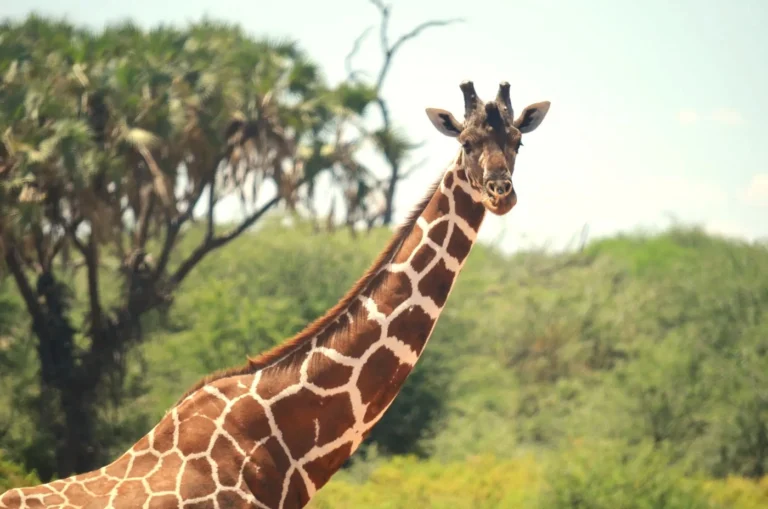
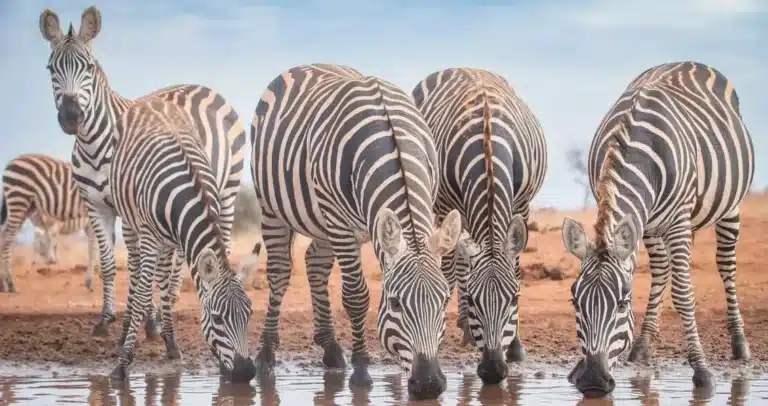
A rugged, semi-arid reserve in northern Kenya, home to animals you will not see further south: Grevy’s zebra, reticulated giraffe, gerenuk and Somali ostrich.
Lake Naivasha and Hell’s Gate
Boat rides among hippos, cycling and walking safaris beneath tall cliffs, and relaxed birdwatching.
Ol Pejeta Conservancy
Home to the last two northern white rhinos on earth, and the Sweetwaters Chimpanzee Sanctuary, one of the best places in Kenya to see chimpanzees.
How much does a Kenya safari cost?
The price depends on the number of days, the season and where you stay. Day trips start from US$ 119 per person, and short safaris from US$ 319 for 2 days in the Aberdares. Most 4 to 8 day safaris in comfortable lodges and camps cost from about US$ 625 to 2,000 per person, and our longer and luxury safaris of 10 to 14 days from about US$ 2,400 to 4,100 per person. Fly-in safaris to the Masai Mara start from US$ 1,155 for 2 days. If you are staying at the coast, safaris from Mombasa and Diani start from US$ 230 for a day trip to Tsavo East.
- Usually included: accommodation, meals as listed, park fees, a private safari vehicle with a driver-guide, and airport transfers.
- Usually extra: international flights, visas, tips, and optional activities such as a hot air balloon safari or a Maasai village visit.
See our Kenya safari cost guide for a detailed breakdown.
How many days do I need?
- 3 to 5 days: enough time for one or two parks, ideal for a first taste of the Masai Mara or a short safari before the beach.
- 6 to 8 days: our most popular length, combining two or three parks (for example Samburu, Lake Nakuru and the Masai Mara) without feeling rushed.
- 10 to 14 days: a full journey across Kenya’s best-known regions, ideal for first-time visitors who want to see the country’s full variety.
Kenya or Tanzania?
Both countries share the same Great Migration ecosystem, but each offers a different experience. Kenya usually has shorter drives between parks, a slightly more developed safari infrastructure, and an easy beach extension on its own coast. Many travellers combine both. See our Kenya and Tanzania safaris for itineraries that cover both countries in one trip.
Frequently asked questions
Is Kenya safe for a safari holiday?
Yes. Kenya’s national parks and safari circuits are well-established and regularly visited by international travelers. Our driver-guides are experienced in navigating both the parks and any necessary precautions along the route.
What’s the best month for a Kenya safari?
July through October offers the best chances of witnessing the Great Migration, while January–March provides excellent game viewing with fewer crowds.
Can children come on a Kenya safari?
Yes, most lodges and safari vehicles welcome children aged 2 and up, and we can tailor itineraries with shorter game drives and family-friendly accommodation.
Do I need a visa or ETA for Kenya?
Most visitors require an eTA (Electronic Travel Authorization) to enter Kenya. We recommend applying at least a few weeks before travel.