

Climbing Mount Kilimanjaro is a life-changing experience that should be on your bucket list. Rising to 5,895 meters (19,341 ft), it is the highest mountain in Africa and the world’s tallest free-standing mountain. Though not a technical climb that requires ropes or mountaineering skills, it is still not an easy trek. Each year, thousands attempt the summit, and while most succeed, many underestimate the risks.
Altitude, weather exposure, poor preparation, and inadequate acclimatisation are the primary safety concerns. The mountain can be climbed safely with proper planning, awareness, and discipline. Below is a comprehensive guide to staying safe before, during, and after your Kilimanjaro climb.
Choose the right route and duration.
The most critical part of planning a Kilimanjaro climbing tour is choosing a route and duration that offer the highest success rate. The best routes should be gradual and should provide ample acclimatisation. In addition, the duration a route offers to the summit also matters.
Short itineraries (5 days or less) dramatically reduce acclimatisation time and increase the risk of Acute Mountain Sickness (AMS). Routes that allow 7–9 days provide a much higher summit success rate and lower medical risk. Before making a choice, inquire with your operator about the success rate for different routes by duration. This will help you find the best-fitting route for your trip.
Popular routes include:
- Machame Route – Scenic and good for acclimatisation (6–7 days recommended).
- Lemosho Route – Excellent acclimatisation profile (7–8 days ideal).
- Marangu Route – Hut accommodation but often too short for safe acclimatisation (avoid 5-day option).
- Rongai Route – Drier and quieter; good alternative. (6- 7 days recommended)
Importantly, never choose a shorter route just to save money.
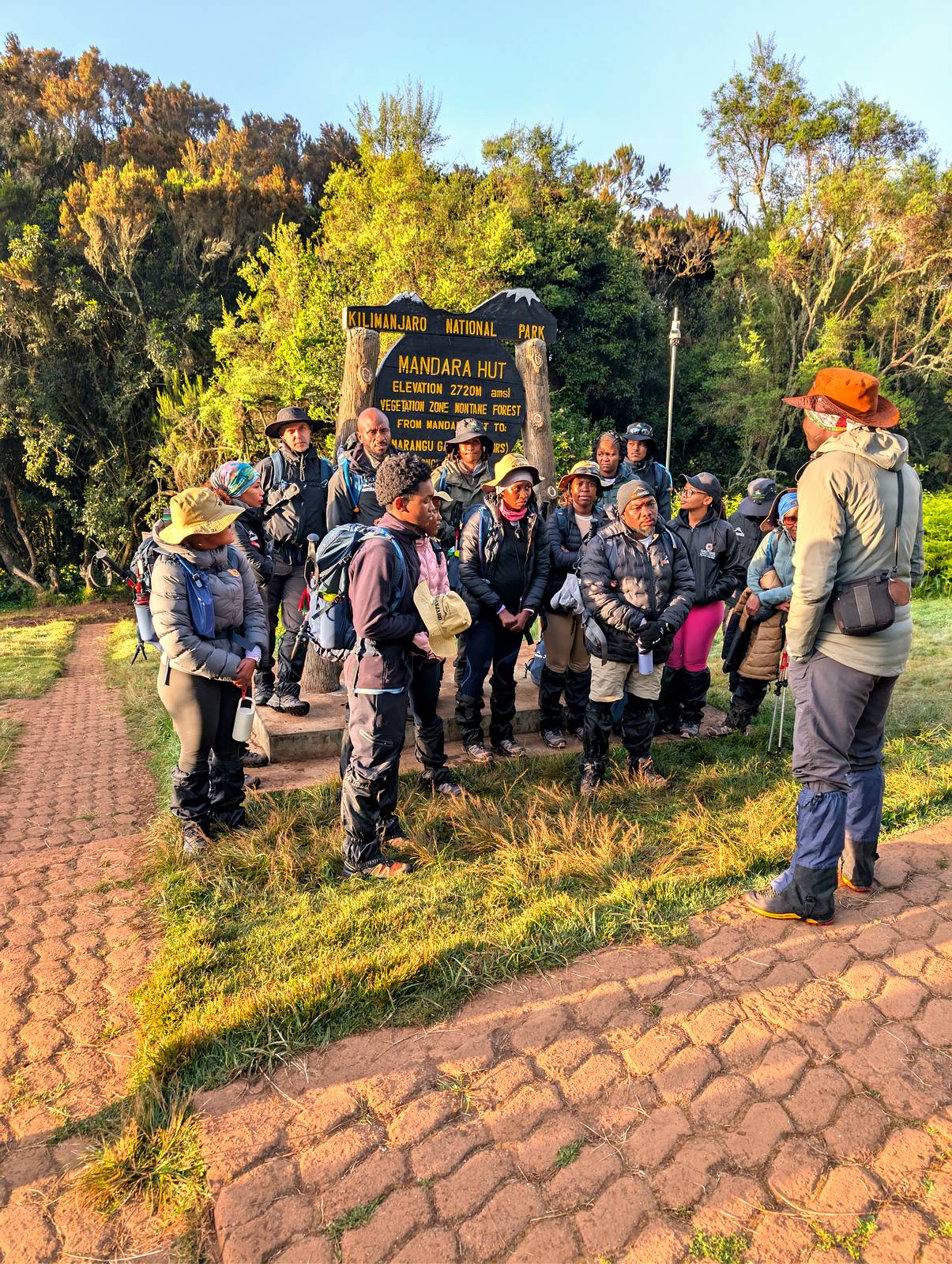
Understand altitude sickness
Altitude sickness is the leading cause of evacuation and fatalities on Kilimanjaro. It happens because the body struggles to adapt to reduced oxygen levels at high elevation. There are three main forms:
- Acute Mountain Sickness (AMS) – Headache, nausea, fatigue, dizziness.
- High Altitude Pulmonary Edema (HAPE) – Fluid in lungs; severe breathlessness.
- High Altitude Cerebral Edema (HACE) – Brain swelling; confusion, poor coordination.
HACE and HAPE are, however, rare occurrences but possible. Before embarking on a climbing trip on Mt Kilimanjaro, you should be aware of the risk factors that contribute to altitude sickness, how to prevent it, the signs and symptoms, and how to manage it. Don’t ignore any symptom.
Go with a reputable operator.
Safety begins with the company you choose. Before booking a Mt. Kilimanjaro climbing package, it is a good idea to check the company you are booking with for a background check. Check reviews from other travellers who have climbed with them before. The company should also be able to provide emergency oxygen cylinders, pulse oximeter monitoring, trained wilderness first responders, and conduct health checks during the climb. Do not hesitate to ask direct questions about the evacuation and rescue protocols. Significantly, most travellers fall into the trap of booking with unreliable tour operators who, in most instances, sell cheap packages.
Physical preparation matters
While Kilimanjaro is not a technical climb, it is extremely physically demanding. Summit day alone can require 12 to 16 hours of continuous hiking in freezing temperatures and thin, oxygen-poor air. Preparing your body well in advance is essential, so start training at least 8 to 12 weeks before your climb.
Your training should focus on several key areas. Cardiovascular endurance is crucial, so incorporate activities such as hiking, jogging, or cycling into your routine. Building leg strength is equally important; exercises like stairs, lunges, and squats will help your legs endure the long hours of climbing. Long back-to-back hikes are also recommended to simulate the fatigue of consecutive trekking days. Additionally, training while carrying a daypack will prepare your body for the weight and strain of carrying your essentials on the mountain.
It is important to note that fitness alone does not prevent altitude sickness. However, being physically prepared reduces overall exhaustion and allows your body to adapt more effectively to the high-altitude conditions, making your Kilimanjaro experience safer and more enjoyable.
Pack proper gear
Improper clothing is a significant safety issue. Kilimanjaro spans five climate zones—from rainforest to Arctic summit. Essential safety gear that you must include are:
- Layered clothing system (base, insulating, waterproof shell).
- Down jacket for summit night.
- Warm gloves and a hat.
- High-quality hiking boots (broken in).
- Thermal socks.
- Headlamp with extra batteries.
- UV-protection sunglasses.
- Sunscreen SPF 50+.
- Insulated water bottles (to prevent freezing).
Before the climb, let your guide check your gear to ensure you have everything essential. You don’t have to buy all the gear, as most operators offer rental services for equipment you may not have.
Hydration and nutrition
Dehydration worsens altitude symptoms. For the best results, drink 3–4 litres of water daily. Sip consistently, not only when thirsty. Also, add electrolytes to maximise absorption. You should monitor your urine colour. Clear or light yellow urine indicates adequate water intake. It is common to experience low appetite in a high-altitude environment. However, you should force yourself to eat. Carbohydrates, which are the main component of meals during the climb, help fuel your body in low-oxygen conditions. Avoid alcohol before and during the climb. It worsens dehydration and impairs acclimatisation.
Pace yourself — "Pole Pole" is not optional.
On Kilimanjaro, speed is your enemy. The Swahili phrase “pole pole” (slowly, slowly) is widely used by guides in climbing, and it is a proven safety principle. Walking too fast increases heart and breathing rates, can lead to fatigue, and makes acclimatisation harder, increasing the risk of altitude-related complications.
Maintain a slow, steady rhythm where you can comfortably hold a short conversation while walking. On summit night, especially, resist the temptation to push hard early. Consistent pacing conserves energy and allows your body to adapt gradually to reduced oxygen levels.
If you feel pressured to move faster than your comfort level, communicate clearly with your guide. Safety always comes before summit speed.
Sleep and recovery discipline
Rest is a major safety factor on multi-day high-altitude climbs. Fatigue weakens judgment, slows reaction time, and reduces your body’s ability to adapt.
Even if you don’t sleep deeply at altitude (which is common), prioritise:
- Staying warm at night.
- Changing into dry sleeping clothes.
- Use a proper sleeping bag rated for sub-zero temperatures.
- Limiting late-night socialising before the summit push.
Poor rest, combined with altitude, can amplify symptoms such as headaches and dizziness. Treat recovery time as seriously as hiking time.
Respect the summit night conditions.
Summit night is the most physically and mentally demanding part of the climb. Temperatures can drop well below freezing, wind chill can intensify exposure, and oxygen levels are at their lowest.
Safety tips for summit night:
- Start with having enough layers.
- Keep hands and feet moving to maintain circulation.
- Eat small energy snacks regularly.
- Protect exposed skin from frostbite.
- Stay mentally focused — exhaustion can impair decision-making.
Many incidents of climbers who fail to summit occur because they underestimated the summit night. Prepare mentally for discomfort and long hours in the dark.
Know when to descend.
The summit is optional, but returning safely is mandatory. Descending is the single most effective treatment for serious altitude illness. If symptoms worsen despite rest, hydration, and medication, immediate descent is non-negotiable.
Warning signs that require urgent descent include:
- Severe headache not relieved by medication
- Persistent vomiting
- Loss of balance or coordination
- Confusion or unusual behaviour
- Severe shortness of breath at rest
Never allow pride, money spent, or group pressure to override medical judgment. A missed summit is far better than a medical emergency.
Travel insurance and evacuation coverage
Before flying to Tanzania, ensure you have comprehensive travel insurance that explicitly covers:
- High-altitude trekking (up to 6,000 meters).
- Emergency evacuation.
- Helicopter rescue.
- Medical treatment abroad.
Many standard policies exclude high-altitude activities unless declared in advance. Always confirm policy limits and conditions in writing.
Having proper insurance is not just a financial precaution — it is a critical safety safeguard.
Mental preparation and realistic expectations
Kilimanjaro is as much a mental challenge as a physical one. Weather delays, fatigue, altitude discomfort, and unexpected changes are expected.
To stay safe:
- Accept that discomfort is part of the process.
- Avoid comparing yourself to other climbers.
- Focus on one step at a time.
- Keep communication open with your guide.
Panic and frustration can cloud judgment. A calm, flexible mindset significantly improves both safety and success rates.
Post-climb recovery and health monitoring
Safety does not end at the summit.
After descent:
- Continue hydrating well.
- Rest properly before a long travel.
- Monitor for lingering symptoms such as chest discomfort or severe fatigue.
- Avoid intense physical exertion immediately after the climb.
Your body needs time to recover from extreme altitude exposure. Respecting this recovery period reduces the risk of complications after returning home.
Conclusion
Climbing Mount Kilimanjaro is achievable for many people, but it demands preparation, awareness, and humility. The mountain does not reward speed or ego — it rewards patience, discipline, and respect.
With proper route selection, gradual acclimatisation, experienced guidance, correct equipment, and sound judgment, the risks can be managed effectively. When safety is your priority, the journey to the Rooftop of Africa becomes not only possible but deeply rewarding.
A successful Kilimanjaro climb is not defined by reaching the summit at any cost — it is determined by returning safely, stronger, and inspired.
Ready to climb Kilimanjaro? Explore our 7 day Machame Route climb, 7 day Marangu Route climb and 10 day Lemosho Route climb, or contact us and we will help you choose the right route and dates.