

One of the key steps in planning a Mt. Kilimanjaro climb is choosing the most favorable season for the hike. The dry seasons between mid-December and early March and between June and October are regarded as the best times to climb Mt. Kilimanjaro.
The four main climbing seasons on Kilimanjaro
Kilimanjaro’s climate is divided into four key periods:
- Long dry season (June to October)
- Short dry season (mid-December to early March)
- Long rainy season (March to May)
- Short rainy season (November)
Each of these seasons offers a different climbing experience.
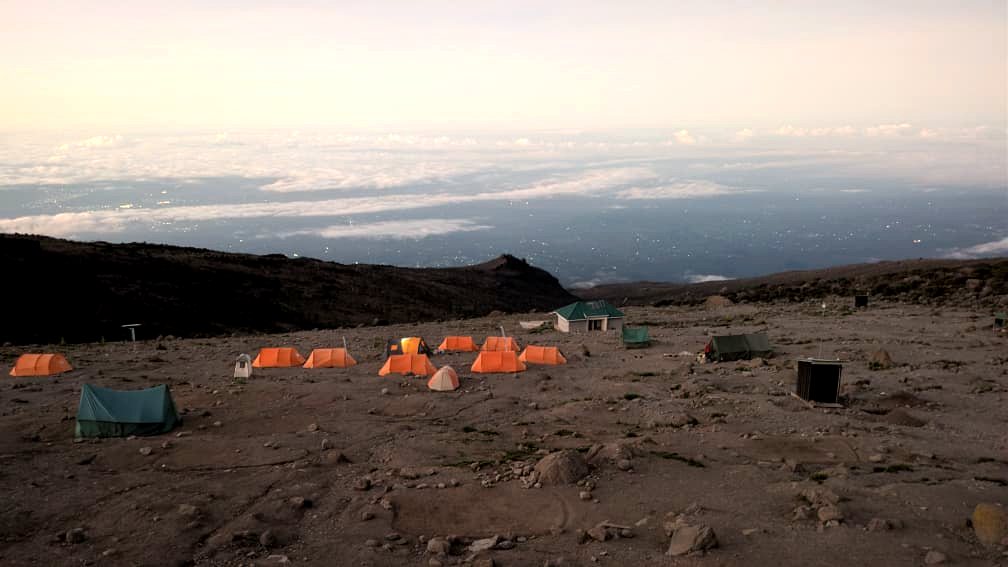
Trekking Kilimanjaro during the short dry season
The short dry season begins shortly after the November rains and typically sets in around mid-December. While December can still be transitional, with occasional snow at the summit and some lingering moisture, conditions stabilize significantly as you move into January and February.
This period is widely regarded as one of the best times to climb Kilimanjaro. Rainfall is relatively low, skies are often clear in the mornings, and temperatures, especially at the summit, are slightly warmer compared to the middle of the year. These factors combine to create a comfortable and rewarding climbing environment.
Another key advantage of this season is the lower number of climbers. Unlike the long dry season, which coincides with peak travel periods in Europe and North America, January and February tend to be quieter. This allows for a more relaxed experience on the trails and at campsites.
By mid-February through early March, the mountain becomes even less crowded. During this time, climbers can enjoy a more secluded journey, particularly by choosing routes such as the Northern Circuit or less-congested sections of the Machame Route. For those seeking a balance between good weather and fewer people, this is often the ideal window.
Importantly, the season is also one of the best periods to go for a combined Kilimanjaro and safari or beach holiday in other parts of Tanzania. The dry season offers excellent game viewing in most of Tanzania’s parks, and it also coincides with the calving season on the Serengeti plains, which is one of the most sought-after phenomena of the wildebeest migration. The tropical beaches of Zanzibar are also livelier and ideal for relaxation or water sports like kitesurfing during this season.
Trekking Kilimanjaro during the long dry season
The long dry season, running from June to October, is the most popular time to climb Kilimanjaro. It offers the most consistent weather conditions, with minimal rainfall and excellent visibility.
During this period, the mountain is at its most accessible. Trails are dry, making trekking easier and more comfortable. Skies are often clear, providing breathtaking views of the surrounding landscapes and the mountain itself. These conditions also make it the best time for photography.
However, this popularity comes at a cost. The long dry season coincides with summer holidays in many parts of the world, leading to higher traffic on the mountain. Popular routes like the Machame, Marangu, and Lemosho routes can become quite busy, and campsites may feel crowded, especially between July and September.
Temperatures during this season are generally cooler, particularly at higher altitudes. Clear skies at night often mean colder conditions, especially during the summit push. While this does not necessarily make the climb harder, it does require proper preparation and layering.
Despite the crowds, the long dry season remains the most reliable period for those prioritizing stable weather and clear views.
Importantly, the season also offers an excellent period for combining mountain climbing with a safari or beach holiday in Tanzania, as game viewing is optimal and the beaches are simmering with the tropical sun. It is around this season that the wildebeest are in the northern Serengeti and Masai Mara in Kenya, a season characterized by dramatic river crossings and the most sought-after encounters in the epic overland wildlife movement.
Trekking Kilimanjaro during the long rainy season
The long rainy season, from March to May, is generally considered the most challenging time to climb Kilimanjaro.
During this period, the mountain receives heavy, persistent rainfall, particularly in the lower zones. Trails in the rainforest become muddy and slippery, making trekking more physically demanding. Cloud cover is also more frequent, which can limit visibility and reduce the scenic experience.
Higher up the mountain, rainfall may turn into sleet or snow, adding to the difficulty. Wet conditions can also affect gear, comfort, and overall morale.
However, the long rainy season does offer one notable advantage of a solitude climb as there are significantly fewer climbers on the mountain. This gives you a more personal, off-the-beaten-path experience. The landscape is also lush and vibrant, especially in the lower zones.
If you must climb during this season, consider the Marangu route, which provides hut accommodation, rather than the other routes, which are primarily camping. Alternatively, you can use the Rongai route, which is drier and on the leeward side of the mountain.
Importantly, though this season is not the best time to go for game viewing as an extension of the Kilimanjaro climb, it is the best time if you would like to go on safari when there is less crowding.
Trekking Kilimanjaro during the short rainy season
The short rainy season in November is less intense than the long rains, but it still brings unpredictable weather.
Rainfall during this period is usually lighter and more intermittent, often occurring in the afternoons. Mornings can still be clear, allowing for decent trekking conditions, but clouds and showers can develop later in the day.
One of the main benefits of climbing during this time is the low number of climbers. The mountain is relatively quiet, offering a more peaceful experience. Additionally, the landscape is greener and more vibrant following the rains.
However, the unpredictable weather means conditions can vary from day to day. Trails may be wet, and visibility can be inconsistent.
For climbers who are flexible and do not mind occasional rain, November can still be a viable option.
Choosing the best season for your climb
The best time to climb Kilimanjaro ultimately depends on what you value most in your experience.
If your priority is stable weather and clear views, the long dry season between June and October is the most reliable choice. If you prefer fewer crowds while still enjoying good conditions, the short dry season in January and February offers an excellent balance.
For those seeking a quieter, more budget-friendly climb, the rainy seasons offer an alternative, though with greater challenges. You will need well-planned preparation and careful consideration to summit during the rainy season. Be prepared for a higher chance of not summiting, as the weather can be extreme and only favorable for descending. Importantly, besides slippery trails, the rainy season may lead to greater physical stress and strain, which increases the risk of developing altitude sickness.
Ready to climb Kilimanjaro? Explore our 7 day Machame Route climb, 7 day Marangu Route climb and 10 day Lemosho Route climb, or contact us and we will help you choose the right route and dates.