

Kilimanjaro is one of the most climbed mountains in the world and the most climbed in Africa. The mountain is one of the world’s seven summits and the highest in the African continent. With its unique offerings and the fairly intimidating height, 5895 m a.s.l, a lot of climbers usually have a lot of questions to ask in the course of planning and preparing for the climb. In this guide, we look at some of the most asked questions and expert answers.
Is Kilimanjaro worth it?
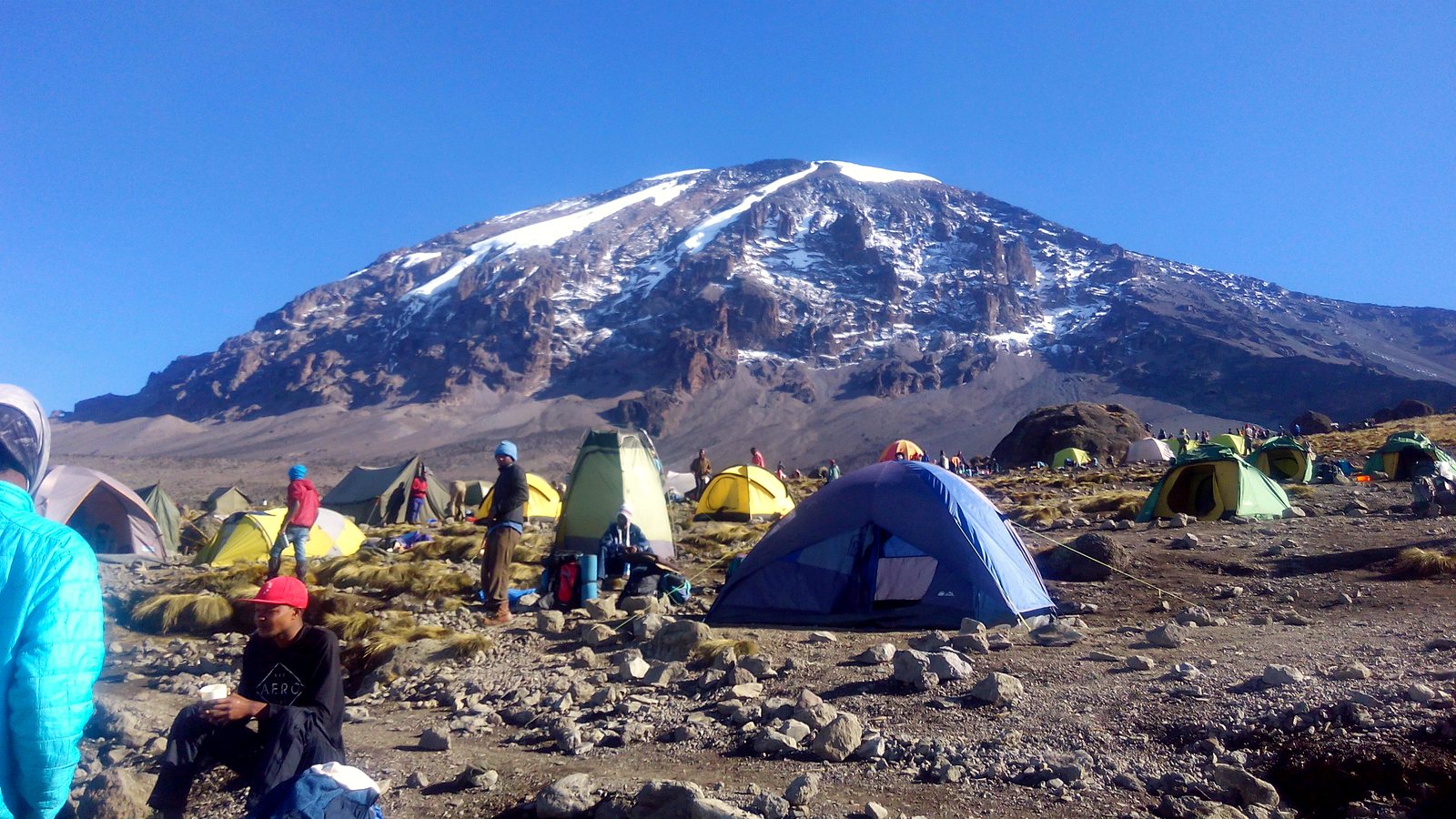
Yes, climbing Kilimanjaro is really worth it. Though there are other taller mountains than Kilimanjaro, the mountain in East Africa stands out for its unique offerings. First, Kilimanjaro is the tallest free-standing mountain in the world, and its trails start at a relatively low altitude. This gives the real feel of conquering a summit: while it may not be the tallest of the Seven Summits, you climb a huge share of its height on foot. Another reason Kilimanjaro is worth it is that it offers one of the most diverse alpine landscapes. Being in the tropical region and with its trailhead starting at low altitude, the mountain features a variety of climatic zones, starting from the tropical rainforest to cooler moorlands to alpine desert and freezing glaciers. This makes the climb feel like a traverse through the various regions of Earth in just one week.
Do I need a guide in Kilimanjaro climb?
Yes, you need a guide. Some first-time climbers in Kilimanjaro think it is possible to go on a self-guided climb of Kilimanjaro. Kilimanjaro is operated by the Tanzania National Parks Authority (TANAPA) and falls within a protected area. It is a mandatory requirement that no visitors climb without a licensed guide, and climbs are run by registered operators with a support crew of guides, porters and a cook. While this may sound unnecessary, considering that Kilimanjaro is fairly developed and the trails are defined, a self-guided climb is still risky considering the altitude of the mountain. The guide is the first person of contact you will have in case of an emergency, like an accident, or if you suffer from altitude sickness. The guide will also offer a wealth of knowledge on the plants and natural formations you encounter during the climb.
How safe is Kilimanjaro?
Kilimanjaro is very safe. Though there is the obvious risk that comes with high altitude climbs, Kilimanjaro is considered safe. The mountain towers at 5895 m a.s.l, meaning it is well below the 8,000 m “death zone” of the Himalaya but still high enough for a lifetime challenge. According to available statistics, only a small number of deaths are recorded on Kilimanjaro each year, out of tens of thousands of climbers. This is way less than it is with other major summits. The fatalities are mainly associated with altitude sickness. We recommend that every climber ensure that they are well prepared for the climb, have proper acclimatization, and, in case of severe signs, consider immediate descent. If you have had altitude sickness when climbing lower mountains or your doctor recommends against it, it is important that you consider not taking the challenge.
How many days are enough to summit Kilimanjaro?
Most climbers summit Kilimanjaro in 6- 9 days. However, the most recommended duration is a minimum of seven days. This will give you enough time to acclimatize and familiarize yourself with the high altitude environment and therefore increase the success rate for summiting. Importantly, a significant population of the trekkers who attempt the climb abort their climb mid-way due to altitude sickness. The longer duration you consider, the better acclimatization you have and the higher the chances of summiting.
Which is the best route for summiting Kilimanjaro?
There is no single “best” route for everyone—it depends on your priorities, such as success rate, scenery, crowd levels, and budget. However, some routes stand out based on key factors:
- Lemosho Route – Widely considered the best overall route. It offers excellent acclimatization, diverse scenery, and a high success rate. It is ideal for first-time climbers who want a balanced experience.
- Machame Route – Also known as the “Whiskey Route,” it is scenic and popular, with good acclimatization when done over 7 days. It can be slightly more crowded.
- Marangu Route – The only route with hut accommodation instead of tents. It is shorter (5–6 days), but has a lower success rate due to limited acclimatization time.
- Rongai Route – Approaches from the northern side and is quieter and drier. A good option during the rainy season.
- Northern Circuit Route – The longest route (8–9 days) with the highest success rate due to excellent acclimatization. It is ideal for those with enough time and budget.
When is the best time to climb Kilimanjaro?
The best time to climb Kilimanjaro is during the dry seasons:
- Mid-December to early March – Slightly warmer and less crowded, with clear skies and good summit conditions.
- June to October – Also a dry season and the most preferred by international visitors as it coincides with European summer holidays
- The rainy seasons (late March–May and November) are less ideal due to muddy trails, reduced visibility, and more challenging trekking conditions. However, experienced climbers who prefer fewer crowds may still consider these months.
How difficult is climbing Kilimanjaro?
Kilimanjaro is considered a non-technical climb, meaning you do not need ropes, climbing gear, or mountaineering experience. However, that does not make it easy. The main challenge is altitude, not terrain. Trekkers walk for several hours daily over multiple days, often on steep and uneven terrain. Summit night is particularly demanding, involving a long ascent in cold and low-oxygen conditions. Proper physical preparation, mental resilience, and a steady pace are key to success.
Do I need to be very fit to climb Kilimanjaro?
You do not need to be an athlete, but you must be in good physical condition. The climb is essentially a long-distance trek at high altitude.
Recommended preparation includes:
- Regular hiking or long walks
- Cardiovascular training (running, cycling)
- Strength training for legs and core
Fitness improves your comfort and endurance, but altitude affects everyone differently—so even very fit individuals can experience altitude sickness.
What are the chances of reaching the summit?
Summit success rates vary depending on the route and duration:
- Short routes (5–6 days): ~50–60% success rate
- Longer routes (7–9 days): ~80–95% success rate
The biggest factor affecting success is acclimatization time. Choosing a longer itinerary greatly increases your chances.
What is altitude sickness, and how can I prevent it?
Altitude sickness occurs when your body struggles to adapt to lower oxygen levels at high elevations. Common symptoms include headaches, nausea, dizziness, and fatigue.
Prevention tips:
- Ascend slowly (choose longer routes)
- Stay hydrated
- Avoid alcohol during the climb
- Follow your guide’s pace (“pole pole”)
- Consider medication like Acetazolamide (Diamox) if recommended by your doctor.
If symptoms worsen, immediate descent is the safest solution.
What should I pack for Kilimanjaro?
Packing properly is critical for comfort and safety. Essentials include:
- Layered clothing (base layers, insulation, waterproof outerwear)
- Warm sleeping bag (rated for sub-zero temperatures)
- Good quality hiking boots
- Headlamp (for summit night)
- Trekking poles
- Daypack and duffel bag
Temperatures vary dramatically, from hot rainforest conditions to freezing at the summit, so versatility is key.
How much does it cost to climb Kilimanjaro?
The cost typically ranges between $1,500 to $5,000+ per person, depending on:
- Route and number of days
- Level of comfort (budget vs luxury operators)
- Group size
- Included services
The price usually covers park fees, guides, porters, meals, and camping equipment. Cheaper options exist, but extremely low prices often compromise safety, staff welfare, or overall experience.
Can beginners climb Kilimanjaro?
Yes, beginners can successfully climb Kilimanjaro. It is one of the few Seven Summits accessible to non-technical climbers. However, proper preparation, choosing the right route, and allowing enough time for acclimatization are crucial.
Ready to climb Kilimanjaro? Explore our 7 day Machame Route climb, 7 day Marangu Route climb and 10 day Lemosho Route climb, or contact us and we will help you choose the right route and dates.