

Mount Kilimanjaro, standing tall at 5,895 meters (19,341 feet) above sea level, is Africa’s highest peak and one of the world’s most iconic trekking destinations. Its allure draws thousands of climbers each year, from seasoned mountaineers to adventurous travellers seeking the ultimate challenge. While Kilimanjaro does not require technical climbing skills, it is not suitable for everyone. The mountain’s high altitude, long days of trekking, variable weather conditions, and relatively high budget present real risks that must be carefully considered before attempting the climb. In this guide, we look at who should think twice about climbing the mountain, and why.
Individuals with serious respiratory or heart conditions
Climbing Kilimanjaro involves prolonged exposure to high altitude, which significantly reduces the amount of oxygen in the air. Those with heart problems (such as arrhythmias, angina, or a history of heart attack) or chronic lung diseases (such as asthma or chronic obstructive pulmonary disease) are at increased risk of serious complications, including altitude sickness, pulmonary edema, or cardiac events.
If you have either condition, it is advisable to seek medical clearance from a doctor before booking. If the doctor finds that your health condition can put you at risk, it’s good that you just abort the plan to climb. If they say you are ok to go, you should inform your tour operator about the condition and send a copy of the doctor’s report. Also consider a slow-paced route to increase the chances of success on the climb. It is good that you also go with a tour operator with an excellent safety record and who can provide trained medical staff and sufficient oxygen supplies.
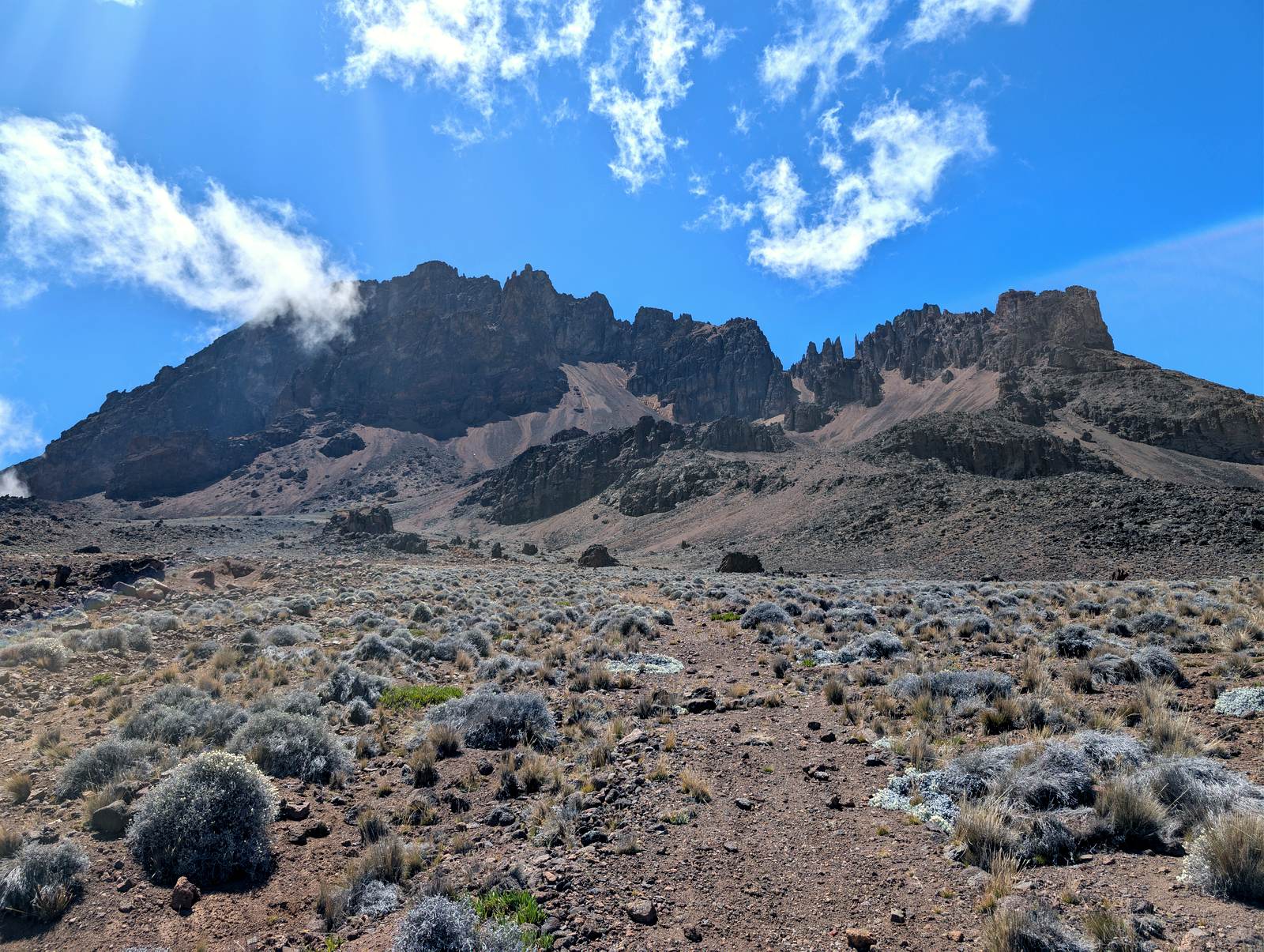
People with severe obesity or mobility limitations
The trek to Kilimanjaro requires endurance, balance, and physical stamina over varied terrain. Individuals who are severely overweight or who have severe joint, knee, or back problems may find the multi-day ascent and descent physically overwhelming. Straining the body at altitude increases the risk of injuries and health emergencies.
While short sections of the mountain are accessible for those with moderate fitness, severe limitations may make the climb unsafe. However, if you are not in extremely bad shape, we recommend considering a private climbing package with an 8- or 9-day duration to summit.
Pregnant women
Climbing at high altitudes poses risks to both the mother and the unborn child. The climb is strenuous and physically demanding, not ideal for pregnant women. There are also reduced oxygen levels, which can lead to complications such as preterm labour, low birth weight, or hypoxia. Besides, Mt Kilimanjaro is remote, and evacuation could be challenging. There are no medical facilities in the mountains. Again, the medicines recommended for altitude sickness are usually contraindicated during pregnancy. For these reasons, pregnant women, even those in the early stage, are strongly advised not to attempt Kilimanjaro.
Individuals with poor acclimatisation ability
Some people are more prone to acute mountain sickness (AMS), a condition caused by rapid ascent to high altitudes. Symptoms include headache, nausea, dizziness, and fatigue. Severe forms, like high-altitude pulmonary edema (HAPE) or high-altitude cerebral edema (HACE), can be life-threatening.
People who have experienced severe AMS on other mountains or who do not acclimatise easily should consider alternative, lower-altitude trekking destinations.
Those with limited experience or poor preparation
Kilimanjaro is a physically demanding trek. Individuals who lack hiking experience, endurance, or training may struggle with long daily treks, heavy packs, or cold weather. Even though Kilimanjaro is not technically a climb, inadequate preparation can turn the trek into a dangerous ordeal.
Proper preparation includes physical training, understanding altitude risks, and packing appropriate clothing and gear.
People who are unwilling to commit time
Many climbers attempt to summit Kilimanjaro too quickly, increasing the risk of altitude sickness. A rushed schedule dramatically raises health risks and reduces the chance of reaching the summit safely. We recommend taking at least 6 days for the trek if you have been hiking other high mountains like Mt. Meru before the trek, or 7 or 8 days if you are beginning the climb. This will help increase your summiting success rate.
Those on a limited budget
A Kilimanjaro climb is not something to do on an extremely tight budget. An extremely low budget will lead you to attempt the climb with shorter durations or without all the gear. You may also be tempted to book the climb with small, unreliable tour companies that may not provide quality services or safety measures. Though the budget will still be a factor in the mountain climbing, it is worth considering the plan recommended by a reputable tour operator as the best fit for you. Importantly, having too many compromises to stretch the budget for the climb could end up being costly or a failed attempt.
Persons who can't sleep in tents/ Shared mountain huts
One thing that lacks in Mt Kilimanjaro is the luxury camps and lodges you would find in different safari destinations in Africa. Here, the primary accommodation offers only basic comfort. In most instances, you will sleep in mobile camps or mountain huts, which are only found on the Marangu route. The facilities have shared amenities like washrooms and dining areas. In some cases in the mountain huts, you may find yourself sharing a room with multiple travelers.
Those who don't get along with others
When climbing Mt Kilimanjaro, you will have to be someone who gets along easily with others. Besides having to share amenities at campsites, you will generally have to interact with others. Most operators arrange group climbing experiences, which require you to join other climbers and actively get involved in the common goal of achieving a successful climb. Even when you are on a private climb, you will have to get along with your team to succeed. The most widely chosen routes are those with better climb success rates and offer a balanced duration for summiting, and even if you are on a private climb, you will definitely have other climbers on the way. Several routes also converge around the Shira Plateau and Barranco Camp and descend via Mweka Gate, which can lead to crowding during the peak period. Therefore, you will need to be accommodating and respectful of others to summit the mountain effectively.
People who can't keep off the screen
If you can’t keep off the mobile phone or your laptop for a week, climbing Kilimanjaro is the last experience you should have on your bucket list. Climbing mt Kilimanjaro, towering at 5,895 m a.s.l. is quite a demanding experience and isn’t an activity that can be ideal for digital nomads. Throughout the period, you will have to wake up in the morning and start the climb, leaving you tired and sometimes lasting throughout the day. Besides, above 3000 m a.s.l., most areas are usually completely off the internet and mobile coverage, meaning you won’t be able to access the network. It is good that you are prepared to step away from the screen before starting the climb.
Individuals who don't have insurance coverage
We recommend that you have the right insurance coverage for personal accidents or health issues arising from exposure to a high-altitude environment. Such eventualities can be very costly and would require immediate action. With your tour operator’s help, also ensure you are fully covered for rescue/evacuation.
Those not mentally prepared
Being psychologically prepared for the climb is critical. While physical fitness and preparation will enable you to summit more efficiently with fewer challenges, mental preparedness will enable you to commit to and keep up with the strenuous activity. You should be in a good spirit to keep the climb for a week, wake up at night to summit, and descend in just one day.
Ready to climb Kilimanjaro? Explore our 7 day Machame Route climb, 7 day Marangu Route climb and 10 day Lemosho Route climb, or contact us and we will help you choose the right route and dates.