

Mount Kilimanjaro, Africa’s highest peak at 5,895 meters above sea level, is one of the most iconic trekking destinations in the world. Among the Seven Summits, it is the most popular due to its diverse landscapes and varied vegetation, as well as for being one of the tallest non-technical climbs. Many people assume that high-altitude climbing is only for the young and extremely fit, but Kilimanjaro offers a unique opportunity for older climbers too.
A non-technical climb does not require advanced mountaineering skills, ropes, or climbing equipment; most people in good health can summit. With careful preparation, the right pace, and sensible precautions, older climbers can experience the thrill of standing on Uhuru Peak, the roof of Africa, without unnecessary risk.
In this guide, we offer insight into why age can’t be a limitation for climbing Kilimanjaro and some insider tips for elderly climbers who want to take on the challenge of summiting the roof of Africa.
Why Kilimanjaro is an ideal option for elderly climbers
Kilimanjaro isn't a technical mountain.
Unlike peaks in the Himalayas or Andes, Kilimanjaro does not require technical climbing skills. There are no sheer rock faces, ice walls, or glaciers that need ropes or specialized equipment. The trails, though long and challenging, are generally well-marked and navigable for those with a reasonable level of fitness.
This means that elderly climbers can focus on pacing, acclimatization, and enjoying the experience rather than worrying about technical climbing techniques. The climb is essentially a series of long hikes that test endurance more than climbing ability.
Climbing is slow-paced
Another factor that makes the climb of Mount Kilimanjaro more manageable for elderly trekkers is that the trek is generally slow-paced. The distance between camps is usually 4 km to 12 km of trail. The trek usually lasts between 4 and 8 hrs, meaning you will have some time to reset. In some instances, the trek takes place in the morning, and then you have the afternoon to relax. During the climb, move at your own pace without straining. A slow-paced climb contributes to summit success.
Remarkable achievement for older climbers
Mount Kilimanjaro has a long history of being summited by older climbers. People in their 60s, 70s, and even 80s have successfully reached Uhuru Peak. These achievements show that age is not a barrier to successfully summiting Mt. Kilimanjaro. With proper preparation, health consideration, and proper acclimatization, you have almost an equal chance of summiting as a younger climber.
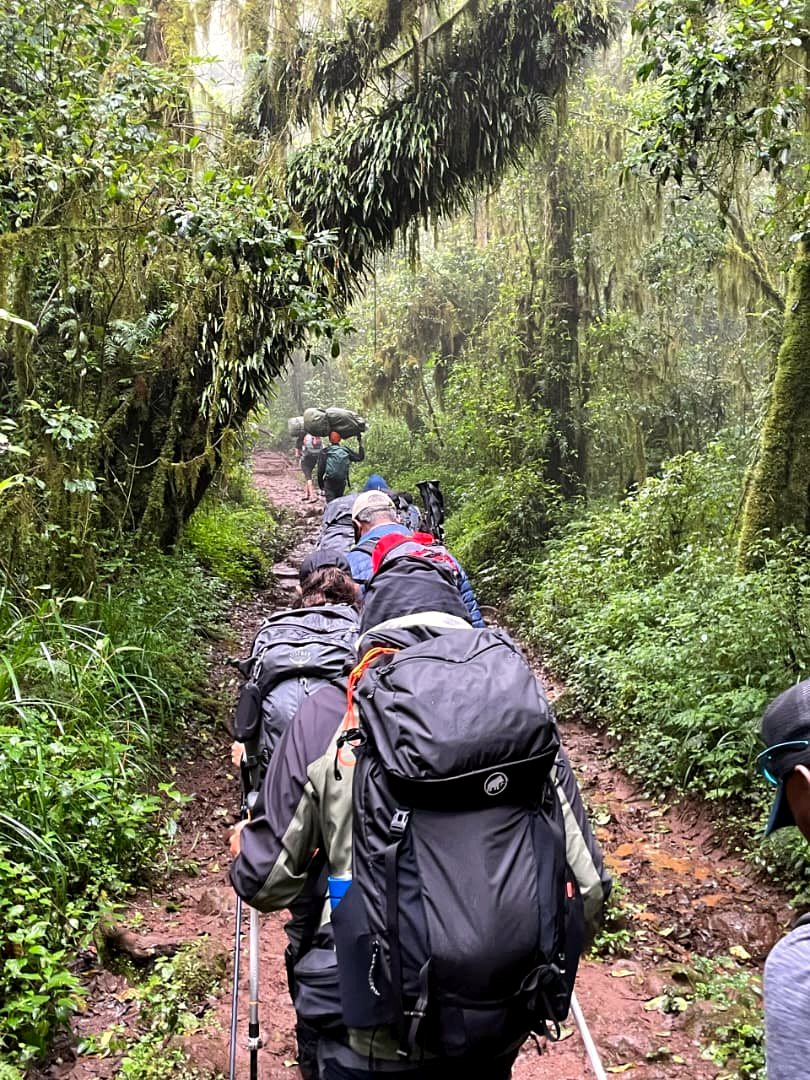
Tips for climbing Kilimanjaro as an elderly trekker
To maximize their chances of success in summiting Uhuru Peak, older climbers face unique considerations. These will help them manage fatigue, altitude issues, and general safety throughout the climb. Some of the things you should consider include:
A longer package—At least 8 days
Whether you are young or old, the longer the climbing package on Kilimanjaro, the better the chances of summiting without altitude-related complications. While we recommend a minimum of 7 days for other climbers, we would urge 8 days for older climbers. This would not only give you more time to acclimatize but also allow you to maintain a slow-paced, unhurried climb, minimizing strain and fatigue.
Choose the dry season.
Timing your climb for the dry season, which typically runs from June to October and from mid-December to early March, ensures more stable weather. Trails are less slippery, temperatures are more predictable, and visibility is better, making the experience safer and more enjoyable.
While some younger climbers choose to compromise and take the rainy season, this is a risk we wouldn’t recommend for an elderly climber, as it would lead to more strain and significantly reduce the chances of summiting.
Consult a doctor before the climb.
A pre-climb medical examination is crucial for older trekkers. A doctor can assess cardiovascular health, lung function, and joint conditions. The doctor will recommend whether to proceed with the climb. If given the go-ahead, you can proceed to prepare for the actual trip. You should share your medical report with the operator for better planning.
Select a reliable operator.
Choosing the right trekking operator can make a huge difference. Before booking, you should ask questions such as:
- What is the age of the oldest client they have guided?
- How do they support climbers who may need extra rest or assistance?
- Are there emergency evacuation plans in place?
Experienced operators can provide personalized pacing, additional porters, or flexible schedules, ensuring that elderly trekkers are supported throughout the journey.
Consider the Marangu Route
The Marangu route is sometimes recommended for older climbers because it offers hut accommodation instead of tents. While huts are basic and shared, they provide shelter from the elements, reducing exposure to cold and wind compared to camping at high-altitude camps.
Hut accommodation also allows climbers to rest more comfortably at night, which can significantly improve energy levels during the ascent.
Have travel insurance
Insurance is essential for elderly climbers, covering medical emergencies, evacuation, and trip interruption. Ensure the policy specifically covers high-altitude trekking. Some plans even assist clients who need an early descent due to altitude sickness or other health complications.
Carry necessary medications and disclose health conditions.
Bring all personal medications, including prescriptions and over-the-counter remedies for altitude-related symptoms. Disclose any medical conditions to your trekking operator and guides—they can provide assistance or adapt plans if needed.
Proper disclosure also ensures that guides are aware of potential risks and can respond quickly to any health concerns.
Post-climb recovery
Recovery is especially important for older trekkers:
- Spend a few days resting after the climb to allow muscles and joints to recover. Preferably, consider a hotel in Moshi, the nearest town.
- Rehydrate fully and consume nutritious meals.
- Avoid strenuous activity immediately following the trek.
Taking the time to recover reduces soreness, helps your body readjust after the altitude, and ensures the adventure ends on a positive note.
Conclusion
Climbing Mount Kilimanjaro at 60 is both achievable and immensely rewarding. The key lies in preparation, careful pacing, choosing the right route, and relying on experienced guides. The mountain’s non-technical nature, slow hiking pace, and accessible routes make it a perfect challenge for older adventurers seeking to push boundaries safely.
With a longer itinerary, optimal timing in the dry season, proper medical clearance, reliable operators, and good support systems, elderly climbers can not only reach the summit but also enjoy every stage of the journey—from the lush forests of the lower slopes to the icy rim of Kibo and the panoramic vistas at Uhuru Peak.
Ready to climb Kilimanjaro? Explore our 7 day Machame Route climb, 7 day Marangu Route climb and 10 day Lemosho Route climb, or contact us and we will help you choose the right route and dates.