
The Greater Mara has one of the most successful conservation models in the world, and it has helped protect key wildlife ranges. Besides the Great Migration and the Loita migration, the Greater Mara also sees smaller seasonal movements of impalas, giraffes, elephants and other animals. Over the years, the local community and conservationists have worked hard to keep migration routes open as more private land in the region is fenced for farming. To make conservation worthwhile for local people, conservationists lease land from Maasai landowners for wildlife, while the owners keep their grazing rights. Other conservancies were started by the communities themselves, who earn income by setting up camps, leasing land to camp operators or charging conservation fees. Today, a large belt of private wilderness surrounds the north and east of the national reserve, and most of these conservancies lie directly on the path of the Serengeti herds and the Loita herds. There is still pressure on land, especially on the eastern side of the Greater Mara, where the Loita migration is under real threat. In this guide we cover some of the best conservancies for a migration safari, which also play a big part in protecting the migration.
Mara North Conservancy
Mara North is the largest conservancy in the Greater Mara, and it has grown in recent years as more landowners have joined. It is the only one of the major conservancies that borders the Mara River, which forms its western boundary. There are few crossings on this upstream stretch, but guests in Mara North can reach the Kichwa Tembo crossing point near the conservancy’s south-western edge. Like the reserve, Mara North has a varied landscape, from thick riverine forest to wide open plains. Besides the migration herds, it is home to plenty of resident wildlife, including well-known lion prides. Activities include open-sided game drives, horseback safaris (with camp-based riding for intermediate riders), walking and fly camping safaris and night game drives. The conservancy has some of the best camps in the Masai Mara, including Karen Blixen Camp, Serian and Saruni Mara.
Mara Naboisho Conservancy
Mara Naboisho is one of the largest conservancies in the Greater Mara. It borders Olare Motorogi to the west, Ol Kinyei to the north-east and Nashulai to the south. With its varied vegetation, Naboisho is home to a wide range of the Greater Mara’s wildlife, and it lies on the migration route, with the herds usually passing through from July to October. Naboisho is also an important corridor for the Loita herds as they move into the reserve and Olare Motorogi. To experience its vast open spaces, guests can go on night game drives, multi-day fly camping safaris, mobile horseback safaris and open-sided photographic safaris.
Olare Motorogi Conservancy
Olare Motorogi lies between Mara North and Mara Naboisho and was formed when the Olare Orok and Motorogi conservancies merged. It has a beautiful mix of landscapes, from river valleys to wide open savannah, and an impressive share of the Masai Mara’s wildlife. It lies on a major migration corridor for the Serengeti herds and on the route of the Loita herds, which pass through between about June and February. There are only a few camps in this large conservancy, including Kicheche Bush Camp, Mahali Mzuri, Olare Mara Kempinski, Porini Lion Camp and Mara Plains Camp.
Ol Kinyei Conservancy
Ol Kinyei is the smallest of the Greater Mara’s big four conservancies, but it is also one of the most exclusive, with just two camps: Porini Cheetah Camp and Porini Mara Camp. Ol Kinyei plays a big part in the Loita migration, as much of the Loita calving takes place here, with scenes much like the Ndutu plains in the southern Serengeti. It is also an area where the Serengeti herds spread out as they move south. Guests can enjoy walking safaris, night game drives and open-sided game drives.
Nashulai Maasai Conservancy
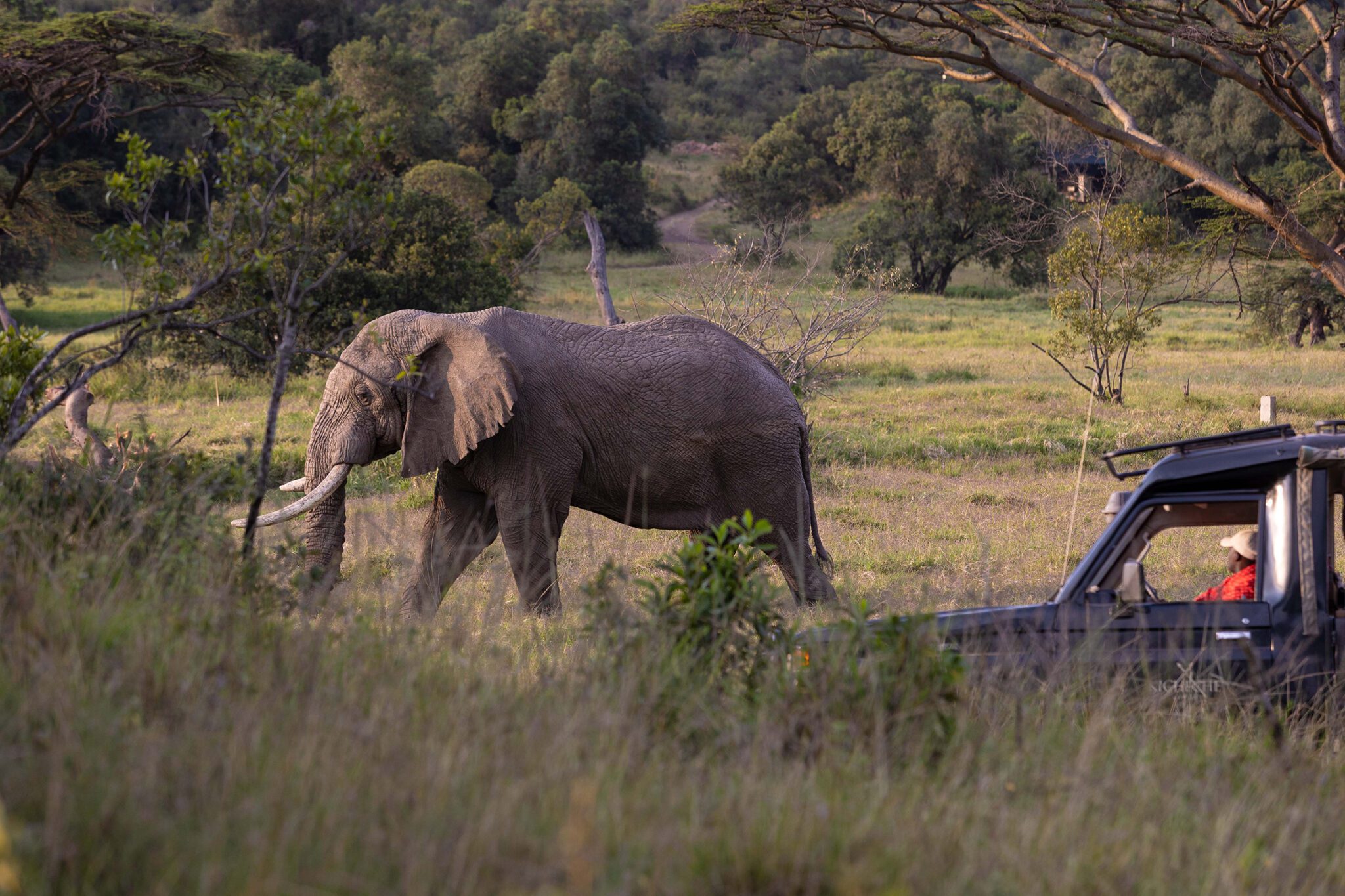
Nashulai is a community-run conservancy, home to a wide variety of resident wildlife, and it hosts the Serengeti herds in about August and September. Oldarpoi Mara Camp, the only camp with full rights to carry out activities in the conservancy, offers some of the most affordable rates for a stay inside a private conservancy. Guests can enjoy walking safaris, night game drives and open-sided game drives.
Olderkesi Conservancy
Olderkesi is a community conservancy owned by Maasai landowners in partnership with the Cottar’s Wildlife Conservation Trust. It is one of the important wildlife areas of the Mara–Serengeti ecosystem and lies on the route of the Serengeti herds as they head south, from about August to October. The Poleleti plains in the conservancy are also a calving area for a group of resident wildebeest in February and March. With only Cottar’s 1920s Safari Camp and Cottar’s Private Bush Villa, guests at Olderkesi enjoy an exclusive stay away from the crowds all year round.
Siana Conservancy
Siana is one of the larger conservancies on the eastern side of the Greater Mara. It was set up in 2010 by Maasai landowners to take part in, and benefit from, conservation in the Greater Mara. The conservancy lies on a popular elephant migration route and is home to a good share of the Greater Mara’s wildlife. It also lies on the route of the Serengeti herds, which usually pass through between about July and October.
Lemek Conservancy
Lemek Conservancy was started in 2009 as a community-run ranch. It is one of the quieter hideaways in the north-west of the Greater Mara, where you can enjoy an exclusive bush stay. Lemek has some of the most affordable mid-range camps in the Masai Mara, which makes it a good choice for travellers on a tighter budget. Camps here include Naserian Mara Camp, Losokwan Camp, Mara River Lodge and Enkerende Tented Lodge.
Ol Chorro Oiroua Conservancy
Ol Chorro Oiroua lies in the far north of the Greater Mara and is run in partnership with the local community. It has some successful conservation projects, including rhino conservation work. Accommodation here includes Fairmont Mara Safari Club and Ngerende Island Lodge. The conservancy is also a source of income for the local community, as the conservation fees are shared with the landowners. Ol Chorro lies on the migration route of both the Serengeti and the Loita herds, usually from July to October.
Ready to see the migration? Join our 5 Day Wildebeest Migration Safari in the Masai Mara for the river crossings from July to October, or combine Kenya and Tanzania on our 6 Day Masai Mara, Serengeti and Ngorongoro Safari. Read next: Masai Mara Reserve vs Mara Conservancies for the Migration. Contact us and we will plan the right migration safari for your dates and budget.