

Climbing Mount Kilimanjaro is not only a physical challenge but also a test of how well your body adapts to altitude, cold temperatures, and long trekking days. Many climbers focus on having the right gear, being physically prepared, and choosing the right route to ensure they successfully conquer the rooftop of Africa. Few realize that nutrition plays a critical role in reaching the summit. Actually, what you eat on the mountain directly affects your energy levels, recovery, and overall performance. At high altitude, your body burns more calories while at the same time your appetite may decrease. This makes it essential to have meals that are not only nourishing but also appealing and easy to eat.
So, what exactly can you expect on your plate during a Kilimanjaro climb?
The Role of Food on Kilimanjaro
Food on Kilimanjaro is designed to do three main things:
- Provide energy for long trekking hours
- Support recovery after each day’s hike
- Help your body cope with altitude
A good operator understands that proper nutrition is just as important as proper acclimatization. The ideal meal plan balances carbohydrates, proteins, and vitamins. However, meals are intentionally carbohydrate-heavy as carbs provide quick energy and require less oxygen to metabolize—making them ideal in a low-oxygen environment.
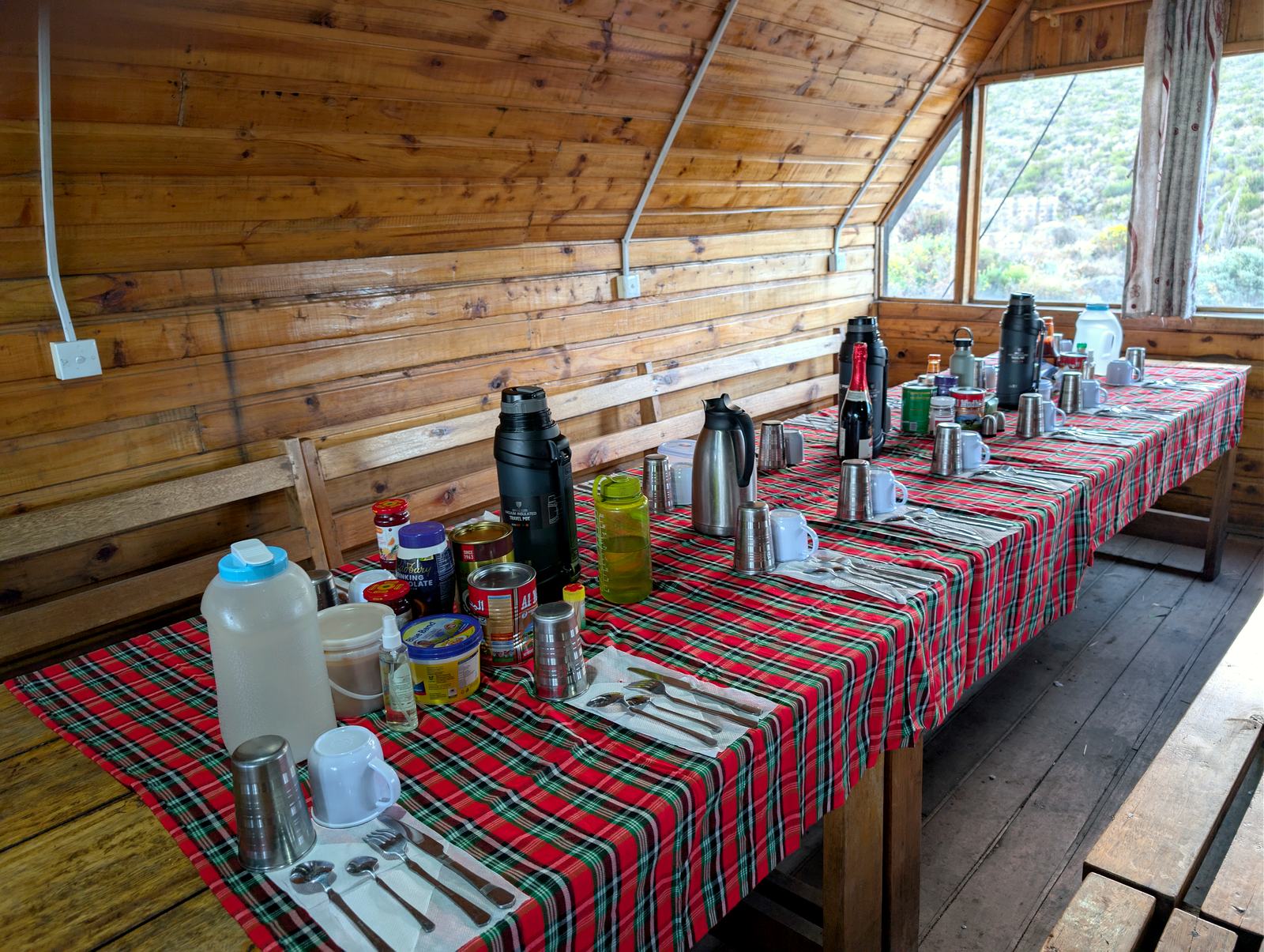
Why Kilimanjaro meals are carb-heavy
One of the first things you will notice is the dominance of carbohydrates in almost every meal. This is not by accident.
At altitude:
- Your body prefers carbs over fats for energy
- Digestion becomes slower and less efficient
- Oxygen levels are lower, making carbs better than proteins and fat as they require less oxygen for metabolism.
In your meal, you will notice the dominance of carbohydrates like porridge, rice, pasta, bread, and potatoes. These are among the most readily available locally and help maintain stamina during long hikes.
That said, a well-prepared meal plan also includes proteins for muscle recovery and small amounts of fats for sustained energy. There are also some fruits, mostly seasonal, in Tanzania.
Breakfast in Kilimanjaro
Breakfast is one of the most important meals of the day. It is usually served early in the morning before you begin trekking and is designed to be warm, filling, and energizing.
Typical breakfast options:
- Porridge: Oats, finger millet, maize, or semolina (sooji)
- Eggs: Plain omelet, onion omelet, Spanish omelet, or fried eggs
- Bread: Toasted bread or French toast
- Proteins: Grilled sausages, bacon, cheddar cheese
- Extras: Pancakes, sautéed potatoes, stir-fried mushrooms
- Fruits: Fresh fruit plate or assorted fruit selection
- Drinks: Tanzanian tea, coffee, drinking chocolate, milk
Porridge is especially popular because it is warm, easy to digest, and provides long-lasting energy. Even if your appetite is low, most climbers find it easier to consume porridge than heavier meals.
Lunch in Kilimanjaro
Most Kilimanjaro treks are slow-paced to allow proper acclimatization, with hiking typically done in the morning and continuing until midday or early afternoon. This means that, on most days, lunch is served at camp, giving climbers a chance to rest, refuel, and recover before the next day’s trek. A relaxed lunch in camp also provides an opportunity to socialize with fellow climbers and enjoy the mountain scenery.
On longer trekking days, however, when hikes may extend into the late afternoon, operators provide packed lunch boxes that can be eaten on the trail. These are carefully prepared to be portable, energy-dense, and easy to consume, ensuring climbers maintain their energy even when far from camp.
It is important to note that Tanzania National Park authorities have become strict in recent years, prohibiting food preparation outside designated campsite areas. All meals, whether served in camp or packed for the trail, are prepared at the designated campsites.
Typical lunch options:
- Soups: Cream of herbs, cream of mixed vegetables, cream of zucchini, clear onion soup served with cheese croutons, cream of celery & carrot, clear chicken soup garnished with sweet corn & basil
- Salads: Green lettuce with avocado and onion rings dressed with vinaigrette, coleslaw with cabbage, onions & carrot, cabbage & onions coated with cream, carrot & onions dressed with lemon juice & olive oil, vegetables with toasted cheese, pan-fried rings of Irish potatoes, sweet potatoes, cucumber, tomatoes & spring onion with herbal olive oil, cucumber, tomatoes & onions cream with mayonnaise
- Main Course: Fried chicken, fish fingers served with tartar sauce, pan-fried chicken served with Moroccan spaghetti, fish goujons garnished with lemon slice served with French fries, grilled chicken, beef pies & vegetable pies
- Accompaniments: Biscuits, Pringles, potato crisps, hard-boiled eggs with tomato ketchup, sweet breads, and pancakes
- Desserts: Chocolate, fruit slices, fruit platter, fruit salad
- Drinks: Tea, coffee, drinking chocolate, Milo, milk (Nido)
Dinner in Kilimanjaro
Dinner is usually served early in the evening after a relaxing afternoon or a short afternoon trek. The meal is usually designed to help climbers recover overnight. Meals are warm, hearty, and easy to digest, with a balance of carbohydrates, proteins, and vegetables.
Typical dinner options:
- Soups: Cream of cucumber & potatoes, cream of celery soup, leek soup, green pepper & pork soup, cream of zucchini & potatoes, cream of ginger soup, cream of garlic soup, vegetable soup
- Main Course: Grilled beef with gravy garnished with grilled tomatoes, beef stroganoff, fried chicken, spiced meatballs with creamy pomodoro sauce, mincemeat with bolognese sauce, chicken chasseur, grilled beef fillet with mint sauce, chicken fricassee with coulis and tomato sauce, vegetable rice, macaroni with cheese, spaghetti pomodoro, turmeric rice
- Accompaniments: Lyonnaise potatoes, French fries, fried potatoes
- Desserts: Banana fritters, queen cake glazed with chocolate sauce, grape suzettes with pancake, creamed caramel, custard pudding, bread and butter pudding, cake, fruit salad, fresh fruits
- Drinks: Tea, coffee, drinking chocolate, Milo, milk (Nido)
Special considerations
We also cater to vegetarian climbers, providing meals such as:
- Soups: Cream of cauliflower & carrot, pumpkin soup, cucumber soup, leek soup
- Salads: Vegetable salad, mushrooms with vegetables, fried potatoes with vegetable sauce, coleslaw
- Main Course: Fresh beans and carrots with coconut sauce, cauliflower and carrot dishes, seasonal green beans with cream sauce, braised cabbage, mixed vegetables, African-style tomato dishes
- Carbs & Extras: Rice, porridge, chips, breads, fruits
- Drinks: Tea, coffee, drinking chocolate, Milo, milk (Nido)
Vegetarian meals are carefully prepared to ensure climbers still get enough carbohydrates, proteins, and vitamins to sustain energy and maintain stamina.
Snacks on the Kilimanjaro climb
Even though our meal plan includes snacks, you could still bring some of your favorites. Snacks play a key role in supporting your diet, especially when you have a low appetite. Some of the best snacks to bring along include candies, energy bars, salted nuts, and even dry foods. You can also bring your favorite drinks. Alcoholic drinks are, however, not recommended.
Conclusion
Meals on Mount Kilimanjaro are meticulously planned to provide climbers with the energy, nutrients, and hydration necessary to tackle long treks at high altitude. From warm, filling breakfasts to hearty lunches and recovery-focused dinners, each meal is designed to maximize performance, support acclimatization, and ensure climbers can enjoy a safe and successful climb to the rooftop of Africa. Proper nutrition is just as important as good gear or fitness—what is on your plate may very well determine your summit success.
Ready to climb Kilimanjaro? Explore our 7 day Machame Route climb, 7 day Marangu Route climb and 10 day Lemosho Route climb, or contact us and we will help you choose the right route and dates.