

North-east of the Masai Mara National Reserve rise the scenic Loita hills and plains, home to a wide range of wildlife, including their own population of wildebeest and the zebras that move with them. Every year these Loita herds move into the Greater Mara, in a smaller migration that runs alongside the famous Serengeti migration. The number of Loita wildebeest that reaches the Mara plains changes from year to year, and today it runs into the tens of thousands, far fewer than in the past. This decline is mainly because farming and fencing have blocked parts of the old migration routes, and some of the herds now stay in the Greater Mara all year. Like the Serengeti herds, the Loita herds are always on the move in search of fresh grazing.
How the Loita herds move
The Loita herds stay on the Greater Mara plains for longer than the Serengeti herds. They are usually in the Mara from about June until the long rains start in the Loita hills around March, when fresh grazing draws them back east.
The Loita wildebeest usually enter the Mara plains through the Ol Kinyei and Mara Naboisho conservancies, arriving around the same time as the Serengeti herds, in July and August. As in the Serengeti, they follow a broadly clockwise movement, spreading as far as the Mara North Conservancy and the Enonkishu plains before moving south-east towards Olare Motorogi. Like the Serengeti herds, the Loita herds also have to deal with the Mara River, crossing back and forth between the main reserve and the Mara Triangle as they follow the grazing. Besides the Mara River, they cross several smaller rivers, such as the Olare Orok and the Ntiakitiak (Olare Motorogi), the Talek (Masai Mara) and the Osupuko (Ol Kinyei). Along the way they move through the territories of the Greater Mara’s big cats, which creates exciting hunting scenes, just as in the Serengeti. The herds then return through Mara Naboisho to Ol Kinyei, where they calve from about December to March. As on the Ndutu plains in the Serengeti, thousands of calves are born here, with February the peak of the season. By April the young are strong enough for the herds to move east, back to the Loita hills.
Key facts about the Loita migration
- The Loita migration happens mostly in the Mara conservancies. Most of the Loita herds stay in the conservancies north and east of the reserve rather than in the reserve itself. Your best chance of seeing them inside the reserve is in July and August, when the Serengeti herds are also there. In the conservancies you can see the Loita herds for about ten months, from around June to March.
- The Loita migration is declining, and this could affect the Serengeti migration too. As more land in the Loita area is turned over to farming, the herds that follow the Loita route are pushed into the Greater Mara. A sizeable group has already settled permanently in the conservancies. If more Loita herds stay in the Mara all year, the grazing could thin out, which in turn could reduce how far the Serengeti herds move into the Mara.
- Its timing can’t be predicted exactly. The Loita migration is a natural event that depends on the rains. When the long rains start early, the herds return to the Loita hills early, and when they start late, the herds stay longer. In the same way, the herds come into the Greater Mara earlier when the rains stop early.
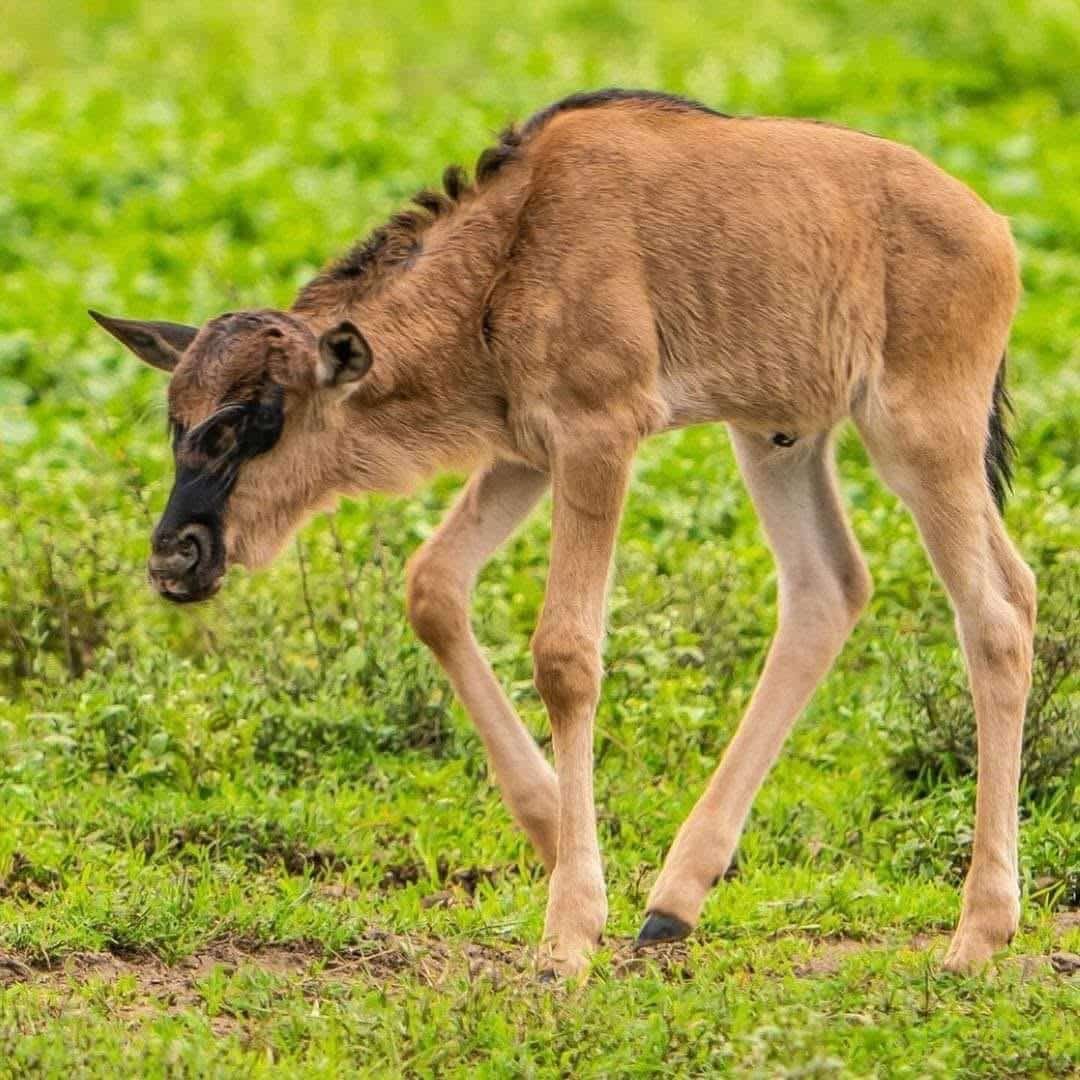
- Ol Kinyei is a little Ndutu. Just as the Serengeti herds calve on the Ndutu plains, the Loita herds gather in Ol Kinyei, where calves are born every day through January and February. As in Ndutu, the calving brings plenty of predator action from lions, leopards, cheetahs and spotted hyenas.
Ready to see the migration? Join our 5 Day Wildebeest Migration Safari in the Masai Mara for the river crossings from July to October, or combine Kenya and Tanzania on our 6 Day Masai Mara, Serengeti and Ngorongoro Safari. Read next: Masai Mara Reserve vs Mara Conservancies for the Migration. Contact us and we will plan the right migration safari for your dates and budget.