

Summiting Mt. Kilimanjaro is a challenge that can only be achieved by a determined, prepared climber with the right operator. Your Mt. Kilimanjaro climb will require a well-thought-out choice of an operator, as it is not just about the experience but also about ensuring safety and the necessary support in case of an emergency.
With dozens of companies offering climbs in Tanzania, knowing what to look for can save you from poor service, safety risks, or even a failed summit attempt. Below is a comprehensive guide to help you choose the right operator.
Safety standards and emergency preparedness
Safety should never be negotiable on Kilimanjaro. Though Mt Kilimanjaro is non-technical, its towering altitude poses a significant risk of altitude-related complications. In fact, according to available data, most climbers who take on the challenge experience some level of altitude sickness, though the majority have mild symptoms. The tour operator must guarantee safety and prompt response in the event of severe illness. Inquire with the company whether they train their crew in safety and evacuation procedures. The guides should be certified by the local authority and have experience in the mountain. The operator should also provide:
- Daily health monitoring (pulse oximeter checks)
- Emergency oxygen cylinders
- First aid kits and trained staff
- Clear evacuation procedures (including stretcher or helicopter coordination)
Ask direct questions like: What happens if I get altitude sickness? If you get a vague answer, move to the next operator.
Guide experience and crew quality
The guide, porters, and cook are key to the success of your Mt. Kilimanjaro climb. Most climbers make the mistake of choosing the cheapest Kilimanjaro package, leaving them vulnerable to a crew of low-quality, underpaid staff. Such a crew is less motivated and committed to their job. Some join group climbs with more than 10 people per group. While such a tour may be very cheap, it may lead to operational inefficiency and a poor response to emergencies.
Look for operators who:
- Employ licensed guides with years of Kilimanjaro experience
- Maintain a low guide-to-client ratio.
- Provide both head and assistant guides for the group climb.
- Have well-trained porters and cooks
A strong crew ensures better pace management, motivation, and safety throughout the trek.
Ethical treatment of porters
Porters are the backbone of every Kilimanjaro climb. Unfortunately, this crew is extremely undervalued, largely because of their backseat yet critical role in the climbs. Some operators treat them unfairly. The company should assure you that it offers fair wages to porters and provides them with the necessary gear. The operator must ensure that no porter carries loads larger than 20 kg. The company should also ensure the porter and the crew are provided with their own tents and of standard quality.
Route options and itinerary design
Having the right plan is key to the success of the Kilimanjaro climb. The tour planner should be able to provide a detailed overview of your itinerary, day by day, including the type of accommodation and the meal plan. He or she should be able to explain the preferred routes based on success rate. On Kilimanjaro, different routes offer different success rates; some have a low risk of altitude sickness, while others have a high risk. Some routes offer less crowded climbs, while others are popular with big crowds, especially in the peak season. They should tell which route is best to consider if you prefer hut accommodation instead of tented camps.
Popular routes include:
- Machame Route – scenic and popular
- Lemosho Route – best for acclimatization
- Marangu Route – huts instead of tents
- Rongai Route – quieter and drier
Note that a good operator would recommend a less rushed climb that would increase your summit chance. He should be able to offer key insights based on one’s age and experience in other similar climbs.
Quality of equipment and gear
Even if you bring personal gear, your operator provides critical equipment. The operator should guarantee high-quality equipment that ensures safety and comfort during the climb. Ensure the company provides:
- High-quality tents (weather-resistant and insulated)
- Warm sleeping bags (rated for sub-zero temperatures)
- Comfortable sleeping mats
- Proper dining tents and cooking equipment
Importantly, poor equipment can make nights miserable and affect your energy levels.
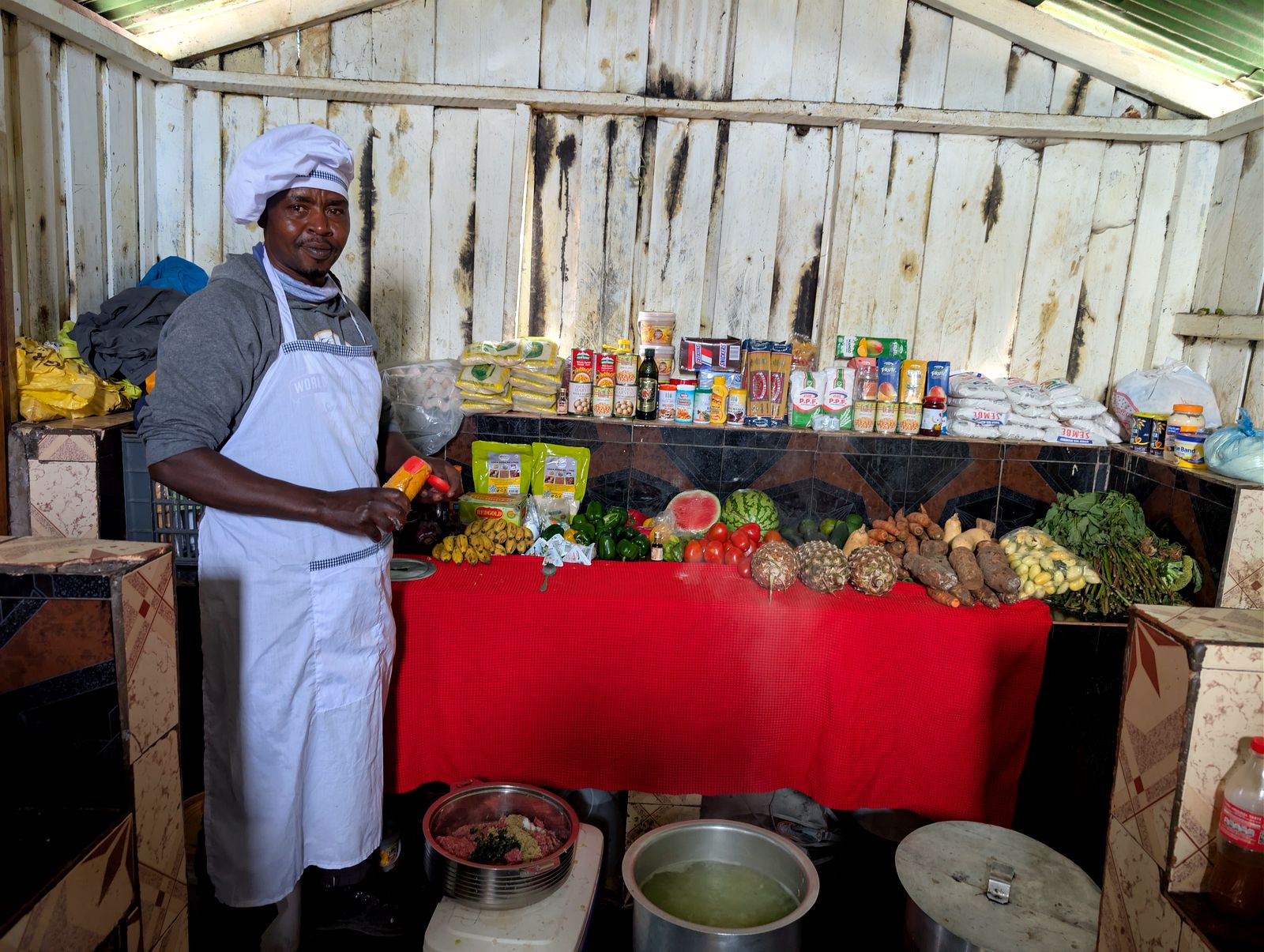
Food quality, dietary, and hygiene standards
Climbing at high altitude requires proper nutrition. A good operator should provide clear guidelines for their meal plan. They should also provide information on how they ensure hygiene standards are maintained throughout the climb. Climbing Mt. Kilimanjaro usually requires food high in carbs. They should be able to explain their composition to ensure the right diet. If you prefer a special diet, they should guarantee its inclusion in their meal plan. In addition, since you use water from streams and other sources, they should provide a clear plan for treating and filtering it to ensure safety.
Transparency in pricing
The cost of Kilimanjaro climbing packages will vary from one operator to another. However, an extremely cheap climbing package is a red flag, even if it is enticing. Mountain climbing involves your own safety, and you shouldn’t compromise on quality for price. We recommend you choose a standard private climbing package if you can afford it. If you are on a tight budget, go for a group climbing package that guarantees quality. Avoid extremely cheap packages, no matter which category you pick. The climbing package should clearly state what is included and excluded in the final price. Ensure all necessary and mandatory costs, such as park fees, accommodation, and crew, are included in the package.
Reviews and reputation
Always check independent reviews before booking a Mt Kilimanjaro climbing package. This will enable you to evaluate the company’s past performance based on other clients’ experiences. Consider reviews that specifically talk about mountain climbing. Look for feedback on:
- Safety and professionalism
- Guide quality
- Food and logistics
- Overall satisfaction
You can find reviews on platforms like SafariBookings and TripAdvisor. You can also check Google My Business reviews and social media feedback. Consistency in positive reviews is key.
Communication and pre-climb support
This will give you the first impression of how the company handles communication. Check how the company responds to inquiries about the package. How detailed and satisfying is their response? Their insight on things like climbing preparation and packing list. This will reflect how organized they will be on the mountain.
Final thoughts
Summit success on Kilimanjaro is not just about determination—it is about choosing the right support system. A reliable operator ensures your safety, comfort, and the best chance of reaching Uhuru Peak.
Take time to compare options, ask detailed questions, and prioritize quality over price. The mountain will always be there—but your experience depends entirely on who you climb with.
Ready to climb Kilimanjaro? Explore our 7 day Machame Route climb, 7 day Marangu Route climb and 10 day Lemosho Route climb, or contact us and we will help you choose the right route and dates.