
Tanzania Safari Holidays
Tanzania is home to the Serengeti, the Ngorongoro Crater and Mount Kilimanjaro. Our Tanzania safaris start in Arusha and cover the northern circuit: Lake Manyara, the Serengeti, Ngorongoro and Tarangire. You can also start in Nairobi and see the Masai Mara and the Serengeti on one trip. Every safari is a private trip with your own vehicle and guide, and each one can be changed to suit you.
- Since 2006
- Private 4×4 Land Cruiser and guide
- Guides with 10–25 years’ experience
- Reply within 12 hours
Tanzania safaris
Start in Arusha and explore Tanzania’s northern circuit.
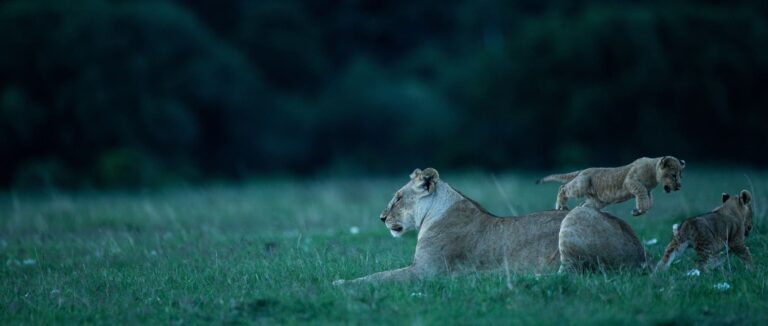
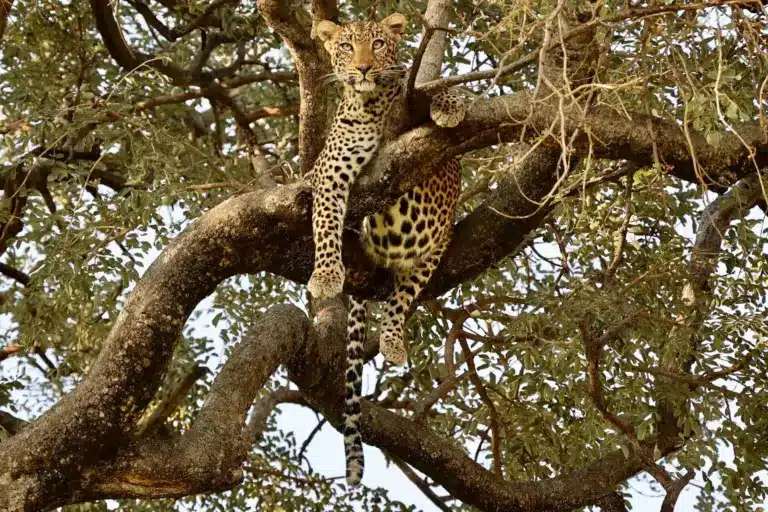
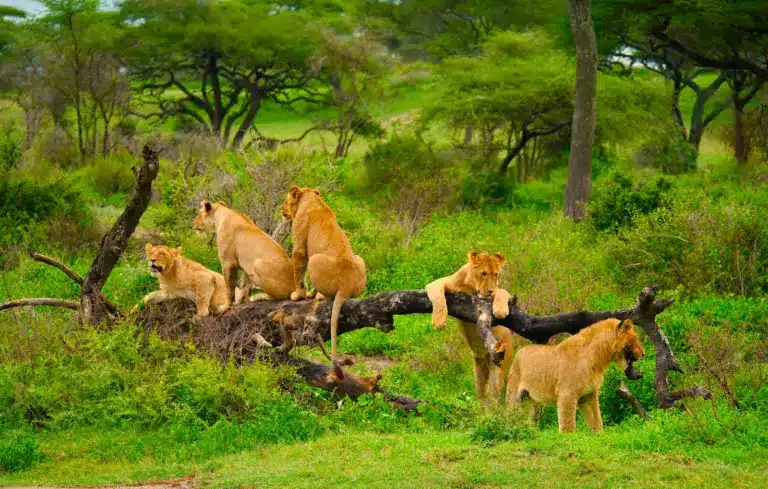
Kenya and Tanzania safaris
See the Masai Mara and the Serengeti on one trip.
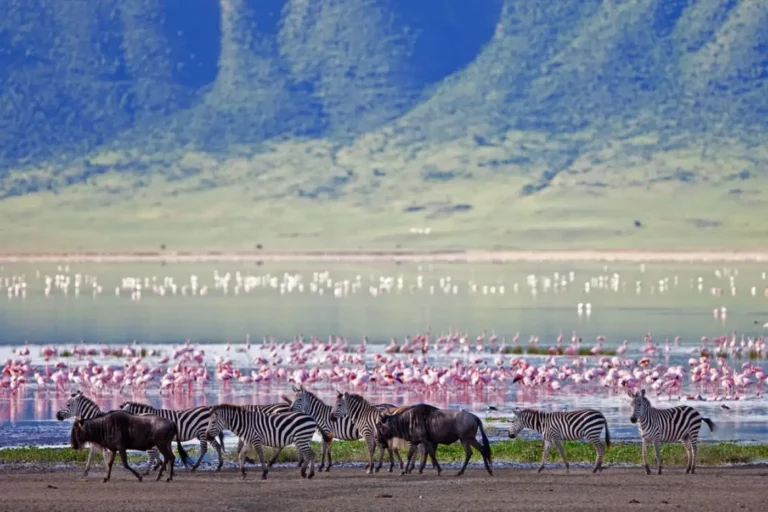
6 Day Masai Mara, Serengeti & Ngorongoro Safari
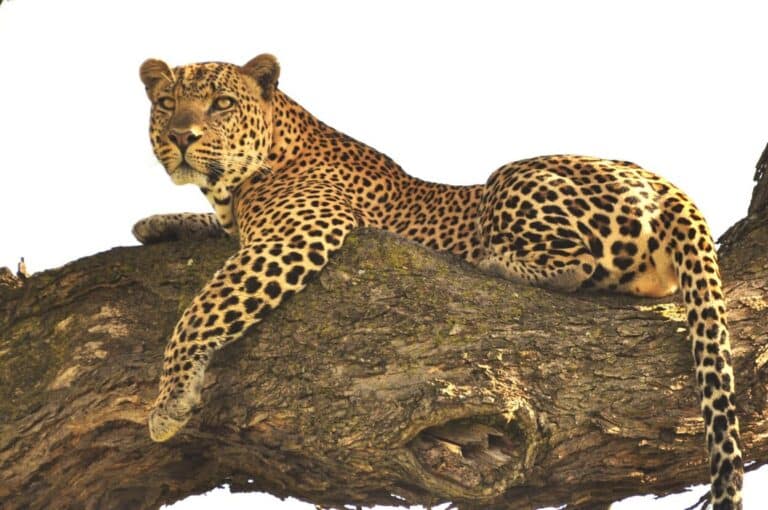
8 Day Masai Mara, Serengeti, Ngorongoro & Amboseli Safari
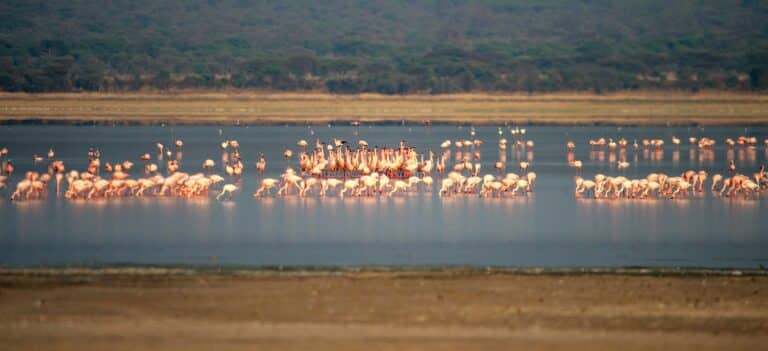
8 Day Masai Mara, Serengeti & Ngorongoro Fly-In Safari
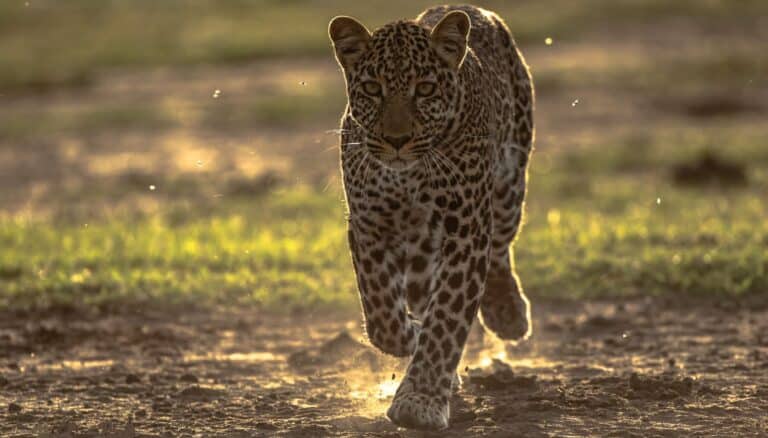
9 Day Amboseli, Tarangire, Ngorongoro, Serengeti & Masai Mara Safari
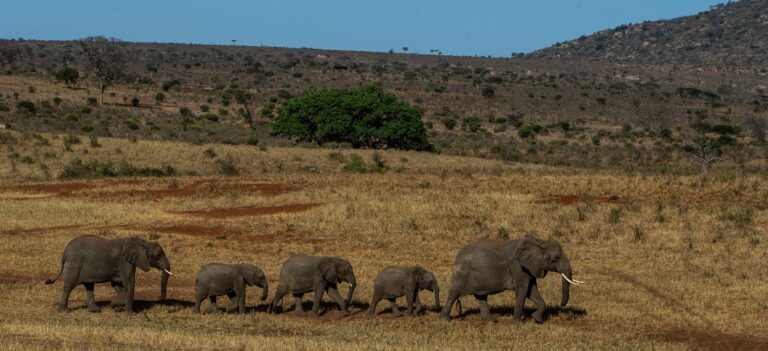
12 Day Kenya & Tanzania Safari
Climb Mount Kilimanjaro
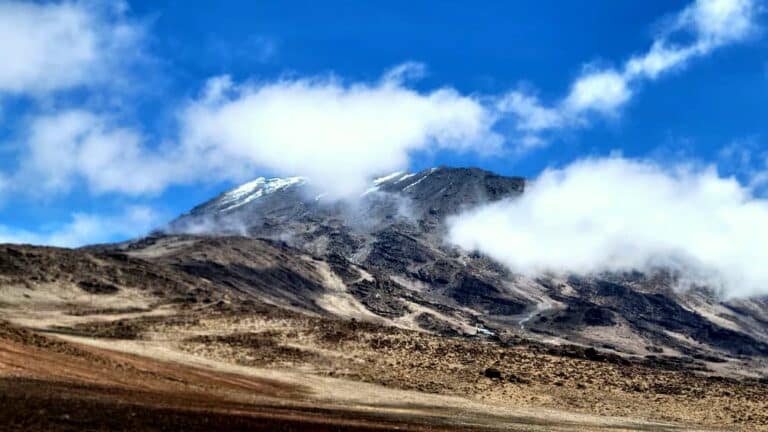
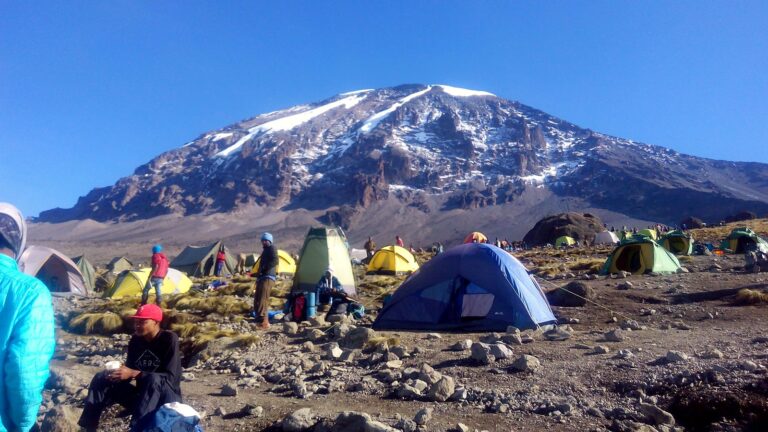
Stand on the roof of Africa at Uhuru Peak, 5,895 m.
Not sure which safari suits you?
Tell us your dates, budget and what you would like to see, and we will put together a safari plan for you. We reply within 12 hours.
Your guide to a Tanzania safari
Everything you need to plan your trip: where to go, when to go, what it costs and how many days you need. Tap a topic to open it.
Why choose a Tanzania safari?
- The Serengeti. Endless plains with some of the highest numbers of lions, cheetahs and plains game in Africa, and the Great Migration for most of the year.
- The Ngorongoro Crater. A huge volcanic crater with a permanent population of wildlife on its floor, and one of the best places in East Africa to see the black rhino.
- Big parks and fewer vehicles. Tanzania’s parks are very large, so outside the busiest areas you often have sightings to yourself.
- Mount Kilimanjaro. Africa’s highest mountain can be climbed by fit walkers without any technical climbing.
- Easy to combine. Tanzania pairs naturally with the Masai Mara and Amboseli in Kenya, or a few days on the beach.
When is the best time to go?
Tanzania is a year-round safari destination, and the Great Migration moves through the Serengeti for most of the year.
June to October (dry season)
The best time for game viewing in all the parks, as animals gather near water. From July to October the herds are in the northern Serengeti, where they cross the Mara River. This is the busiest time of year, so book well ahead.
January to March (calving season)
The herds are on the short-grass plains of the southern Serengeti, where hundreds of thousands of calves are born, usually in February. Lions, cheetahs and hyenas are never far away.
April and May (long rains)
The quietest and greenest time of year, with lower rates. Some roads become difficult and a few camps close.
November and December (short rains)
Short showers, green landscapes and fewer visitors, as the herds move back south into the Serengeti.
Which parks should I visit?
Serengeti National Park
Tanzania’s most famous park, with big herds, big cats and the Great Migration. Plan at least two nights here.
Ngorongoro Crater
A collapsed volcano with a crater floor full of wildlife, including lions, elephants, buffalo, hippos and black rhino. Game drives on the crater floor are a highlight of any northern Tanzania safari.
Tarangire National Park
Known for its big elephant herds and ancient baobab trees, and at its best in the dry season.
Lake Manyara National Park
A small, green park below the Rift Valley escarpment, with flamingos on the lake, baboons, elephants and tree-climbing lions.
Olduvai Gorge
An important archaeological site between Ngorongoro and the Serengeti, where some of the oldest human remains were found. A short stop on the way to the Serengeti.
How much does a Tanzania safari cost?
The price depends on the number of days, the season and where you stay. Park fees in Tanzania are higher than in Kenya, which is reflected in the price. Our Tanzania safaris cost from US$ 2,350 per person for 7 days and US$ 2,635 for 8 days, up to US$ 3,885 for 12 days. Kenya and Tanzania safaris start from US$ 1,990 for 6 days, and our Kilimanjaro climbs from US$ 2,123.
- Usually included: accommodation, meals as listed, park fees, a private safari vehicle with a driver-guide, and airport transfers.
- Usually extra: international flights, visas, tips, and optional activities such as a hot air balloon safari over the Serengeti.
How many days do I need?
- 5 to 6 days: enough for Tarangire or Lake Manyara, the Ngorongoro Crater and a short stay in the Serengeti.
- 7 to 8 days: the classic northern circuit, with two or three nights in the Serengeti, without feeling rushed.
- 10 to 12 days: a slower safari with more time in the Serengeti, or a combined Kenya and Tanzania safari.
Kenya or Tanzania?
Both countries share the same Great Migration ecosystem. Tanzania’s parks are larger and wilder, with the Serengeti and the Ngorongoro Crater as the highlights. Kenya usually has shorter drives between parks and is a little less expensive. Many travellers combine both. See our Kenya safaris and Kenya and Tanzania safaris.
Frequently asked questions
When is the best time for a Tanzania safari?
June to October is the best time for game viewing in all the parks. January to March is the calving season in the southern Serengeti, which is also an excellent time to visit.
Where can I see the wildebeest migration in Tanzania?
The herds are in the southern Serengeti from about December to March, move west in May and June, and reach the northern Serengeti and the Mara River from July to October. We plan your camps around where the herds are expected to be.
Can I combine Tanzania with Kenya?
Yes. Many of our safaris combine the Masai Mara in Kenya with the Serengeti and the Ngorongoro Crater in Tanzania, by road or with short flights.
Do I need a visa for Tanzania?
Most visitors need a visa for Tanzania, which you can apply for online before you travel. Please check the requirements for your nationality when you book.